Sign in











NIC and Operating System Ecosystem Adaptation: From Hardware Compatibility to Win-Win Performance
< BackIn the construction of enterprise IT infrastructure, compatibility between server network interface cards (NICs) and operating systems is a basic yet critical link. Even if a NIC boasts powerful hardware performance, its value can hardly be exerted if it cannot be properly recognized under a specific operating system, suffers driver loading failures or unstable long-term operation. In recent years, with the popularization of Chinese operating systems and mainstream cloud platforms, the ecosystem adaptation capability of NIC manufacturers has become an important indicator for measuring product reliability.
Connotation of Compatibility Adaptation
The compatibility between NICs and operating systems is not the one-dimensional standard of "usable". It involves multi-level technical verification. The first layer is device recognition: whether the OS can correctly read the NIC’s device ID, vendor information and resource requirements via the PCIe bus. The second layer is driver loading: whether the OS can locate matching drivers and initialize NIC hardware successfully. The third layer is function verification: whether packet transmission & reception, interrupt handling, offload functions and other features work normally under real network loads. The fourth layer is stability testing: whether packet loss, disconnection or performance degradation occurs during long-time high-load operation.
Only NICs that pass the above full-link verification can be regarded as truly compatible with a specific operating system.
Value of Ecosystem Adaptation for Users
For end users, selecting NIC products with official certification or wide adaptation can greatly reduce technical risks during deployment. Unverified NICs may expose various problems in practical use: system crashes caused by incompatibility between drivers and kernel versions, performance jitter under certain network traffic patterns, unstable links when cooperating with some switches or optical modules, etc. Such issues are often hard to be fully covered in pre-deployment tests, but may trigger failures after services go online.
For NICs with systematic adaptation verification, manufacturers have completed deep tuning with target operating systems. After procurement, users can realize rapid deployment and focus on business rather than hardware debugging.
Adaptation Demands Amid the Wave of Localized OS Adoption
With the promotion of Chinese servers and domestic operating systems, NIC manufacturers are facing more diversified adaptation requirements. Domestic operating systems such as Kylin and UOS are based on the Linux kernel, but they differ from mainstream distributions in driver interfaces, compilation environments, security policies and other aspects. NICs require dedicated driver development and testing targeting these differences to guarantee stable operation in localized environments.
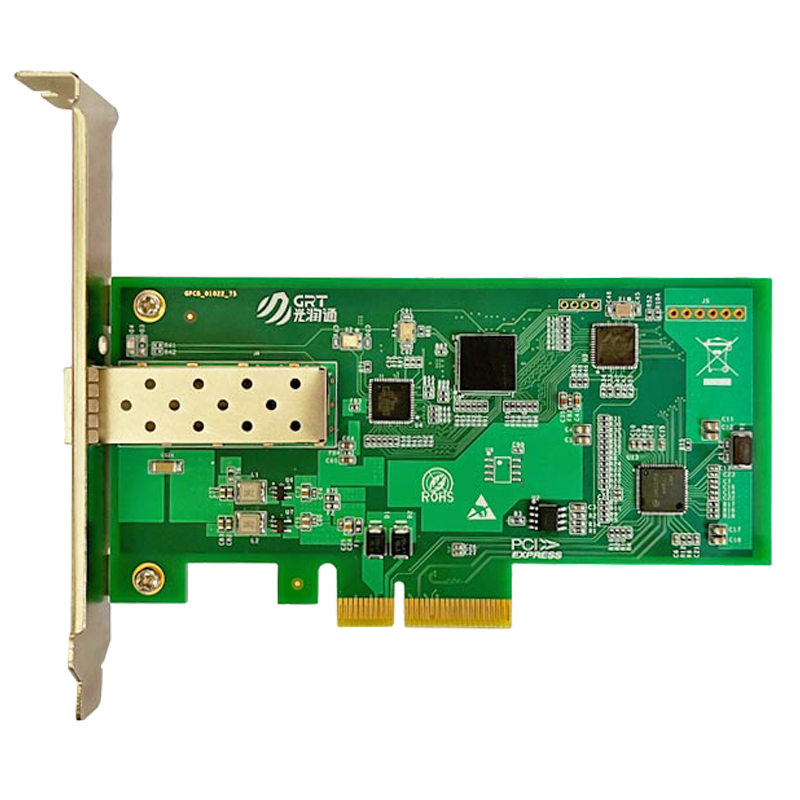
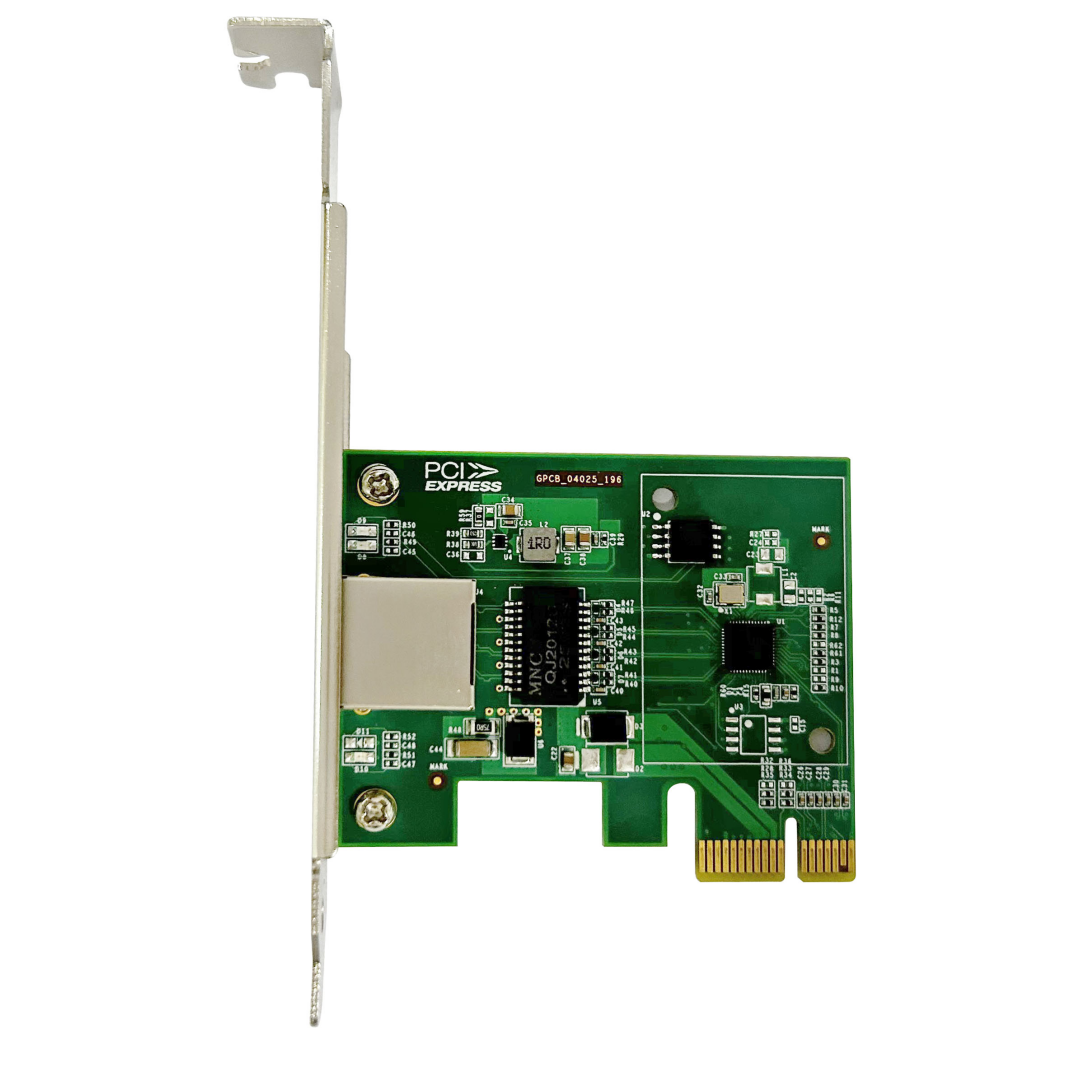
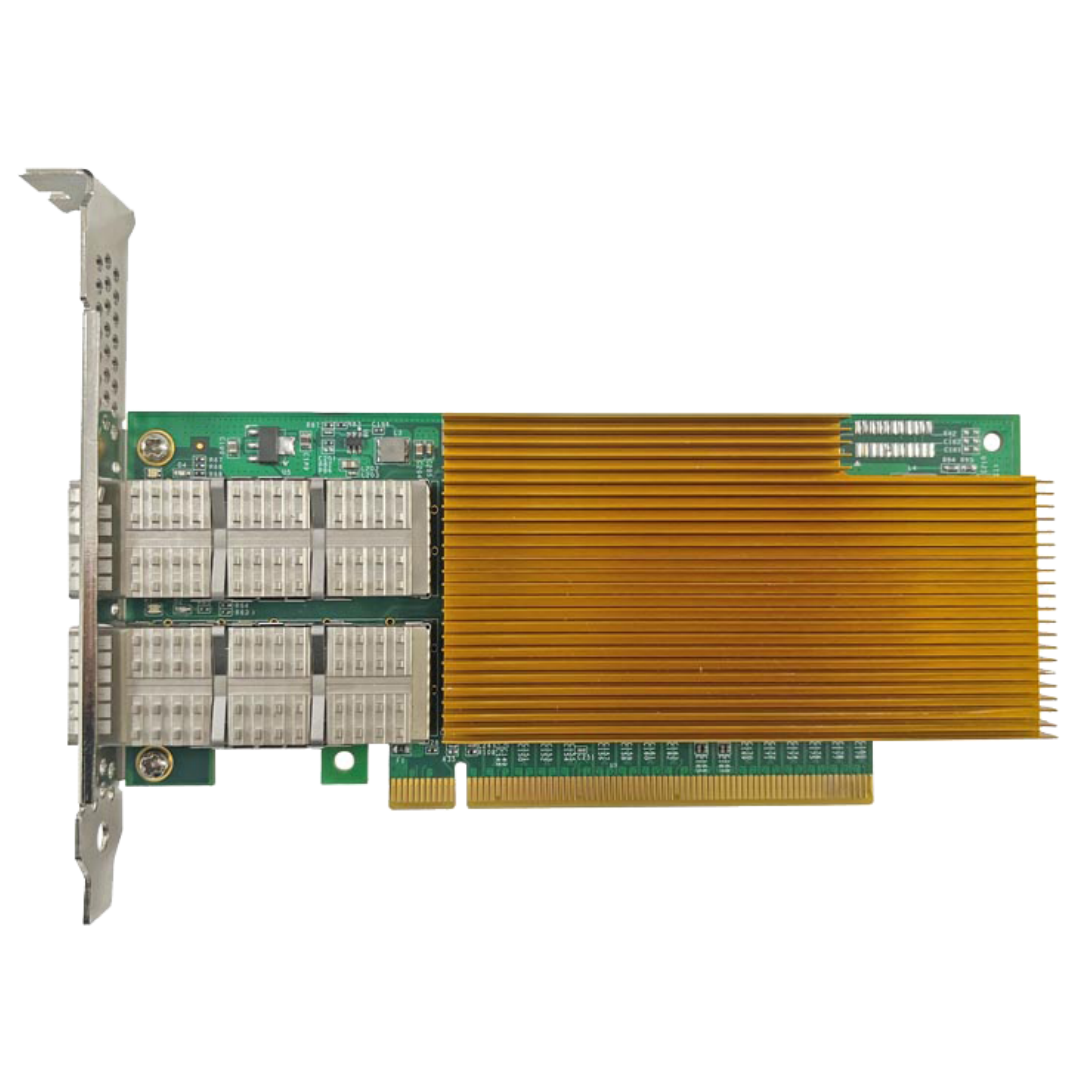
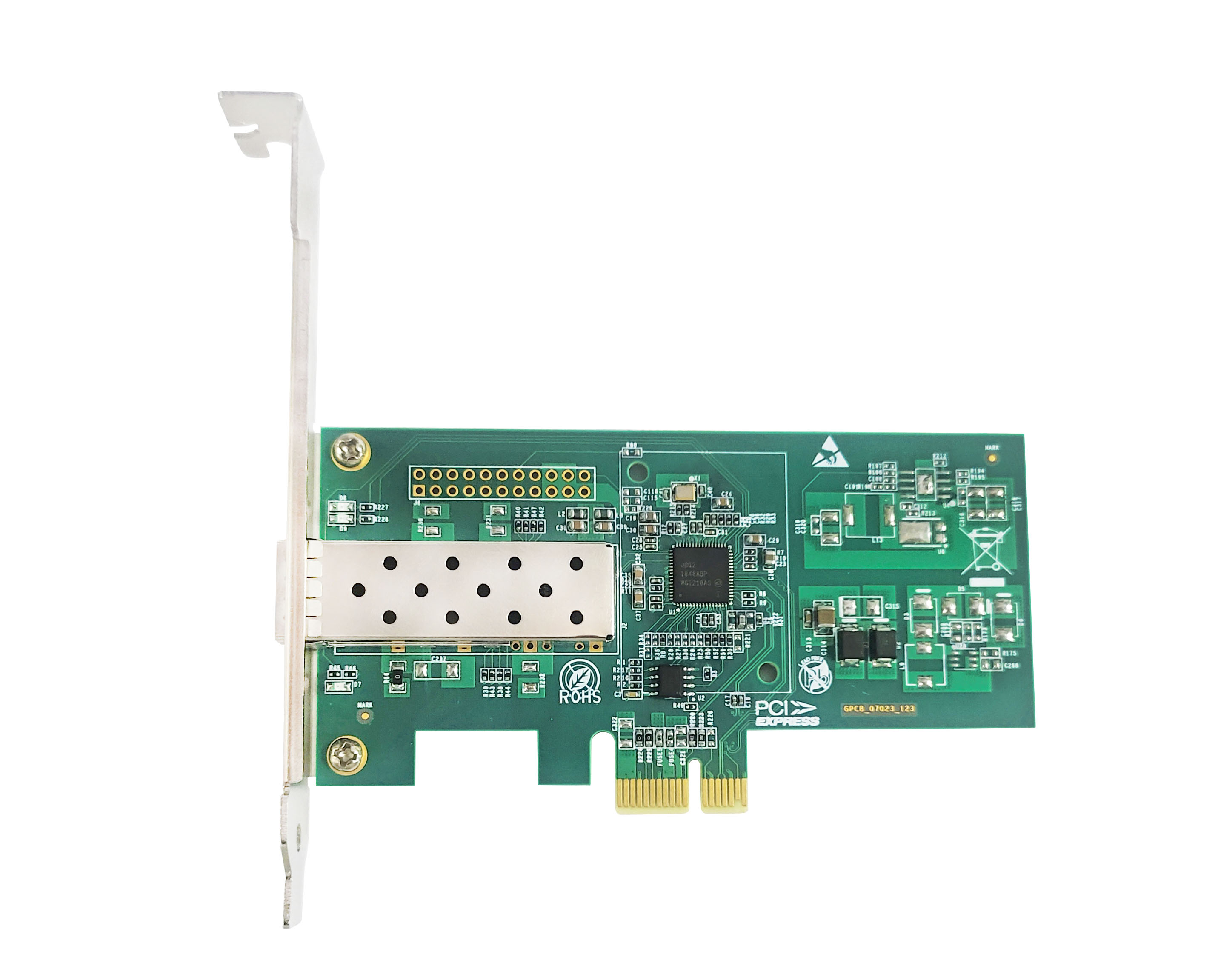
Guangruntong (GRT) Technology has continuously increased investment in OS adaptation in recent years. Multiple fiber NIC products of the company have completed compatibility certification or adaptation tests with Alibaba Cloud OS, China Mobile Cloud OS, Kylin Software, UOS and other mainstream platforms. By building standardized adaptation workflows and test environments, Guangruntong (GRT) ensures every NIC undergoes sufficient OS compatibility verification before release, delivering consistent and reliable network connectivity experience for customers in both general and localized scenarios.
From Compatibility to Collaboration
In the future, the relationship between NICs and operating systems will evolve from simple "compatibility" to deeper "collaboration". For example, operating systems can obtain fine-grained hardware status information through NIC driver interfaces for intelligent scheduling and fault prediction. NICs can dynamically adjust interrupt coalescing parameters or offload strategies according to OS load characteristics to achieve overall performance optimization. This requires closer technical cooperation between NIC vendors and OS vendors to jointly promote innovation at the infrastructure layer.
For enterprise users, when selecting NIC products, besides hardware parameters, the vendor’s ecosystem adaptation capability and breadth of OS partnerships should also be included in evaluation criteria. It not only serves as the foundation to guarantee stable operation of current services, but also acts as an important consideration to reserve space for future technological evolution.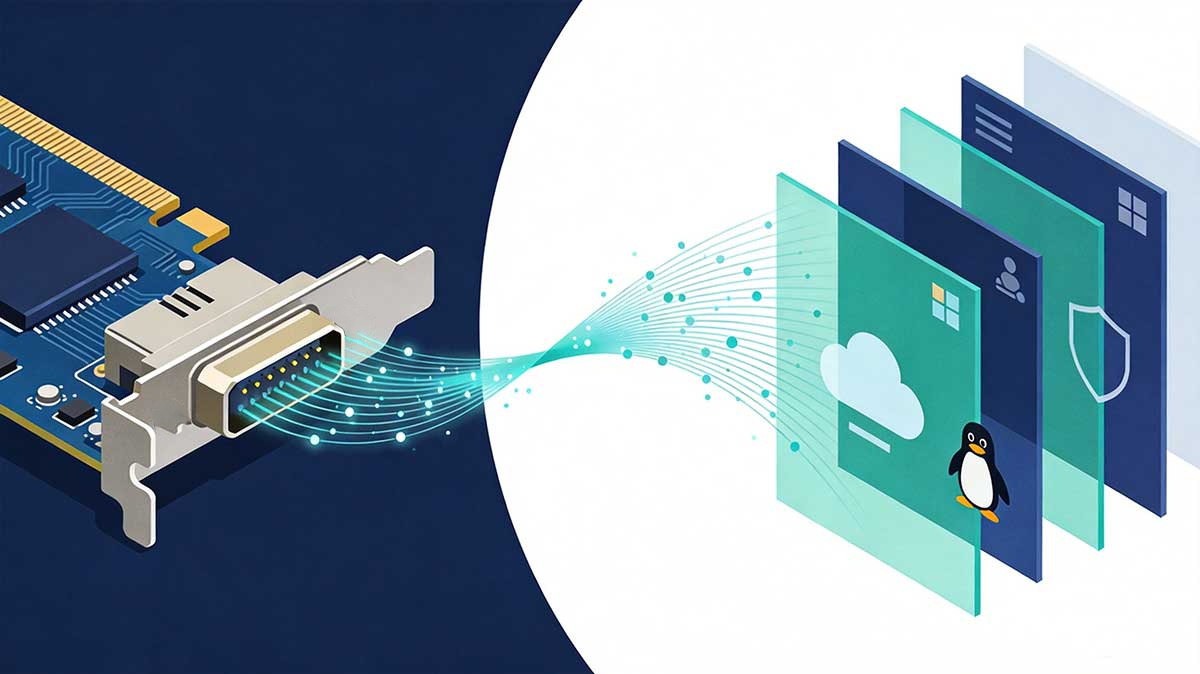
Latest information
- NIC and Operating System Ecosystem Adaptation: From Hardware Compatibility to Win-Win Performance
- NIC Hardware Offload Technology: Let Server CPU Focus on Business Computing
- Network Card Driver: The Invisible Bridge Between Hardware and Operating System
- Understanding the Partners in Fiber Links: Optical Modules and Optical Fibers
- How to Select NICs for Virtualization Environments to Achieve Performance Isolation and Resource Allocation
- What are FCC, CE and RoHS on Network Cards
- How Bypass NIC Ensures Uninterrupted Network When Server Power Fails
- The Key Role of Bypass Network Cards in Firewalls