Sign in








How PCIe Interfaces Affect Signal Integrity
< BackHow PCIe Interfaces Affect Signal Integrity
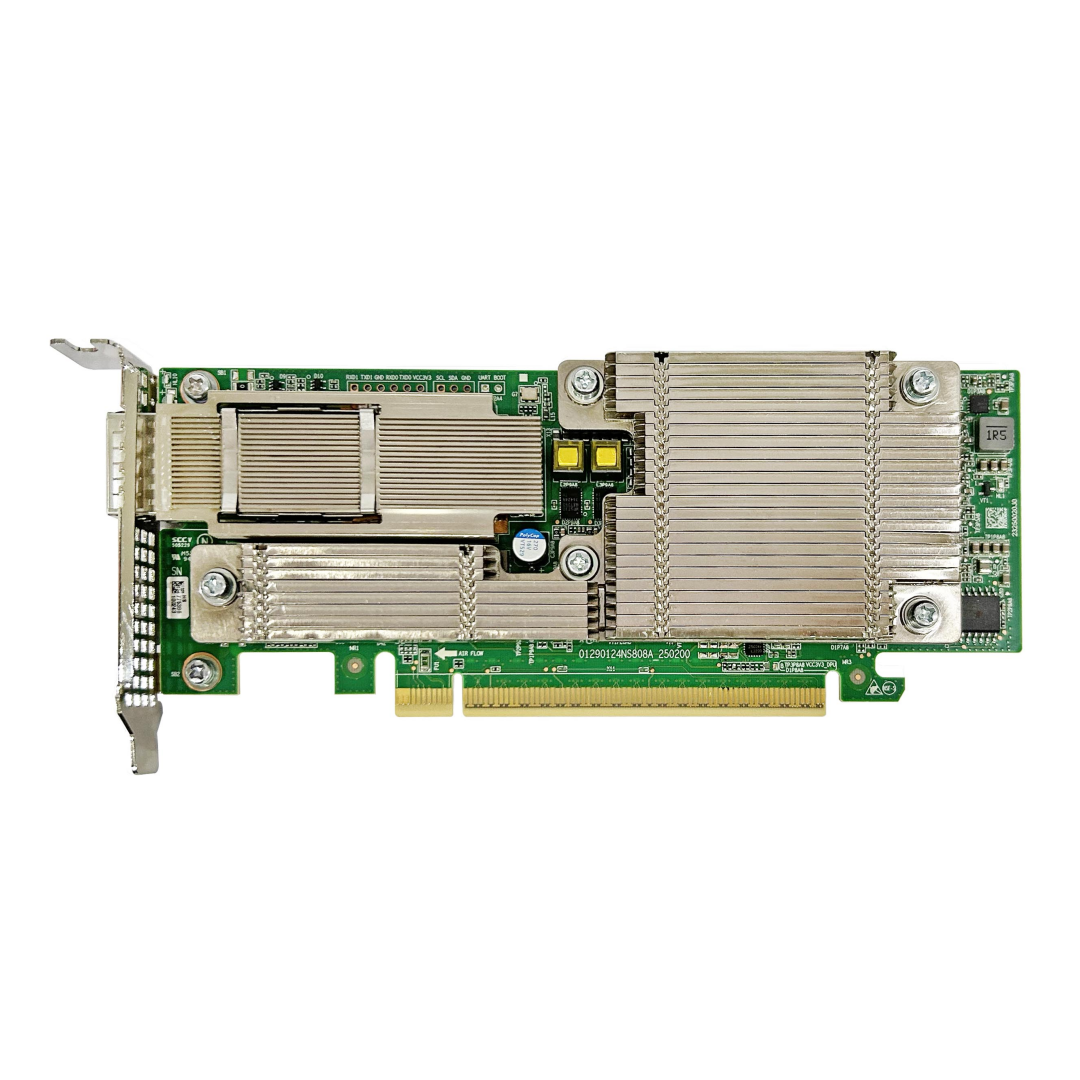
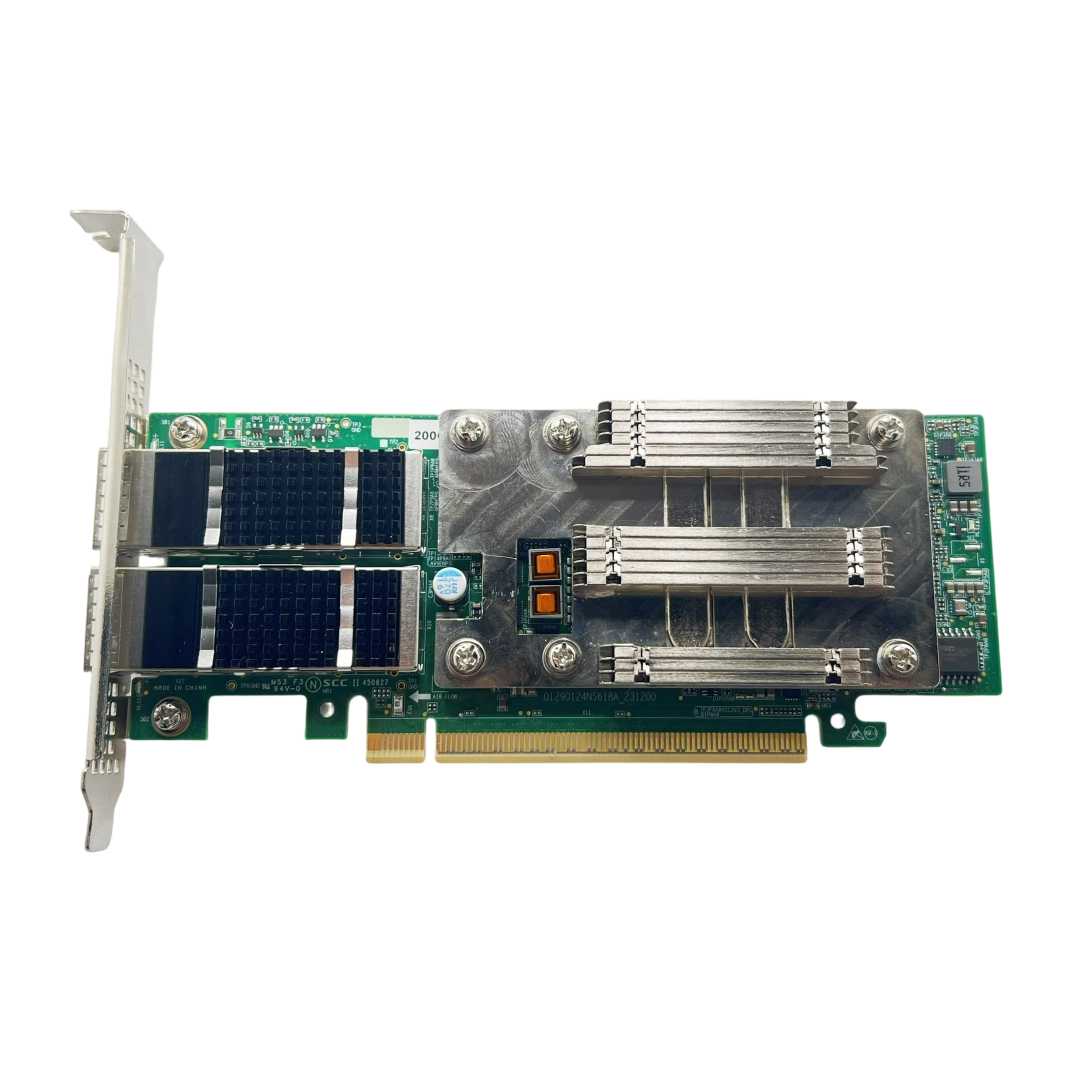
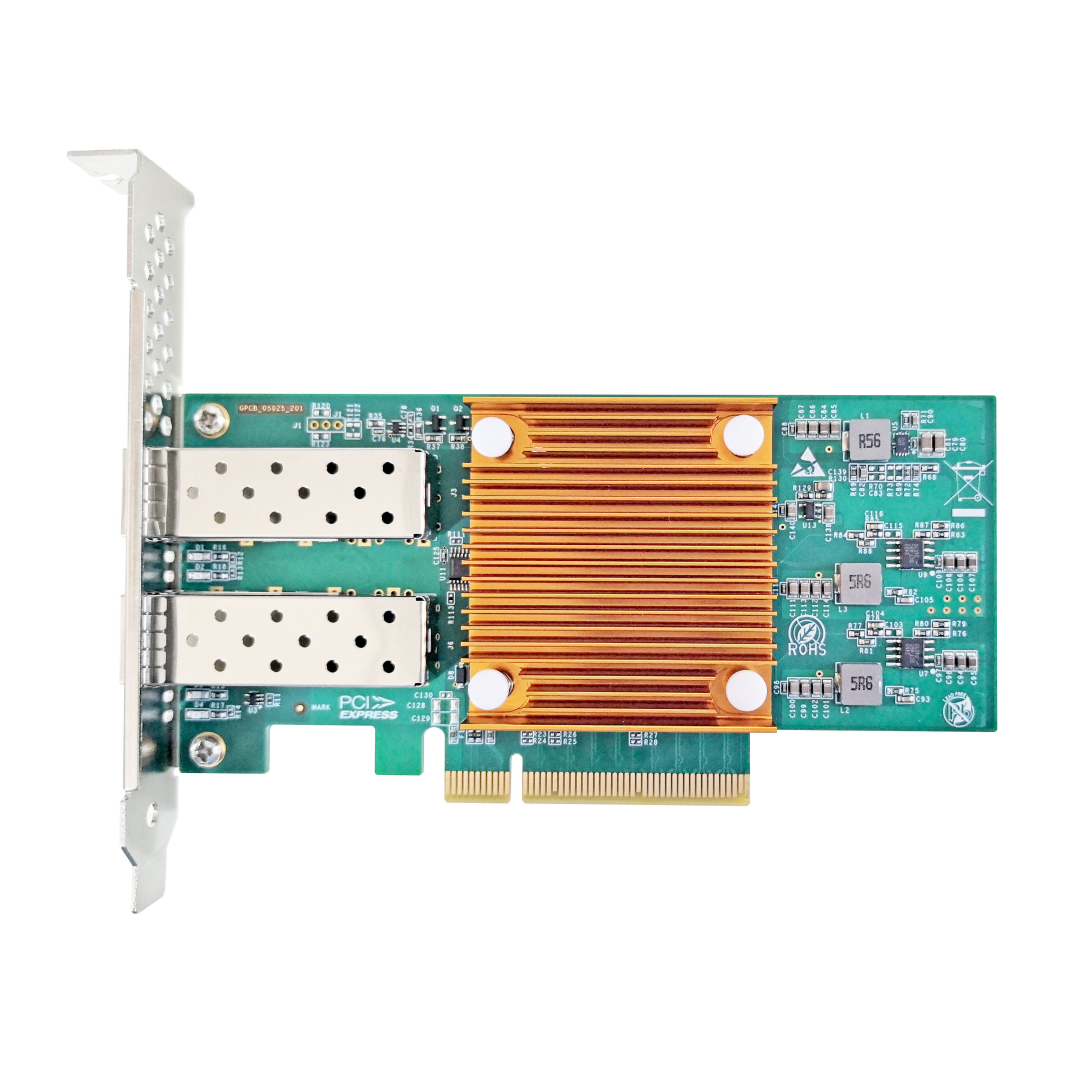
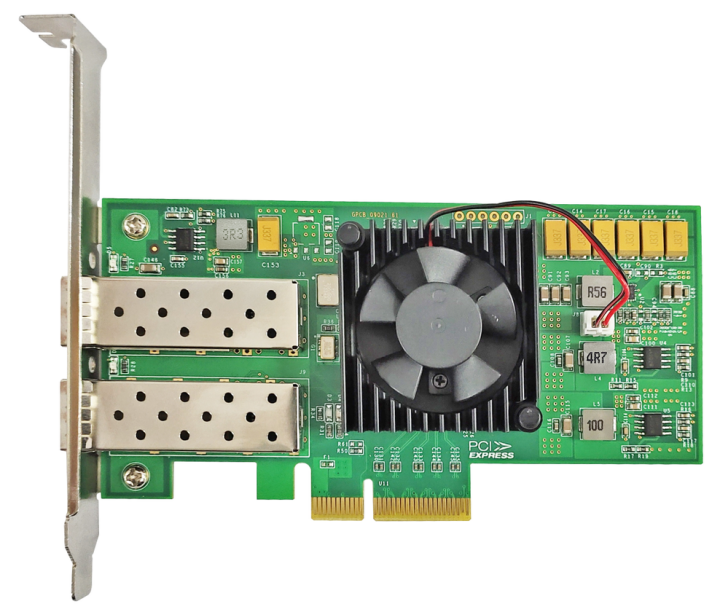
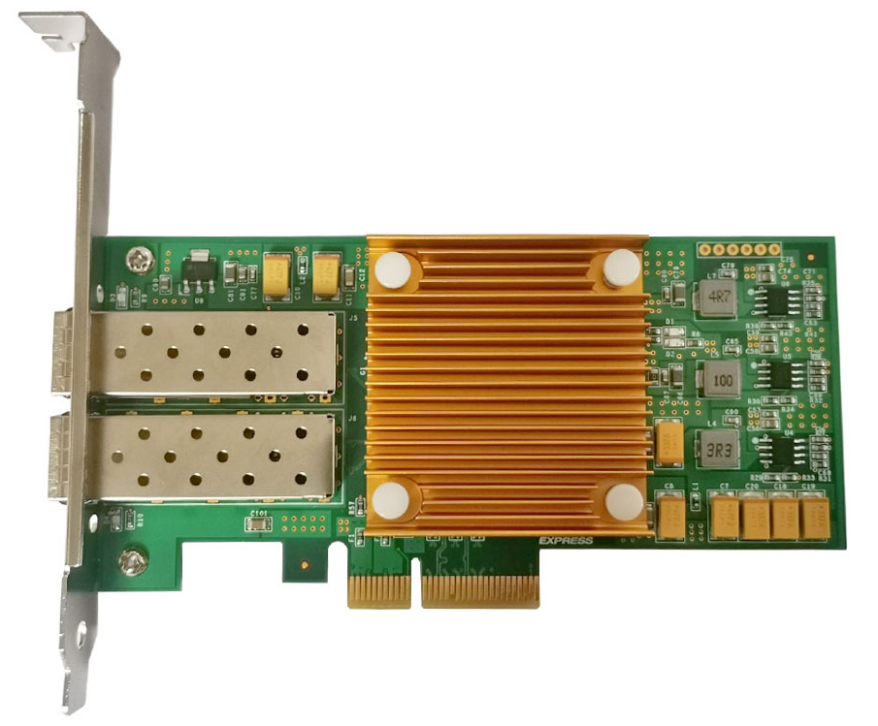
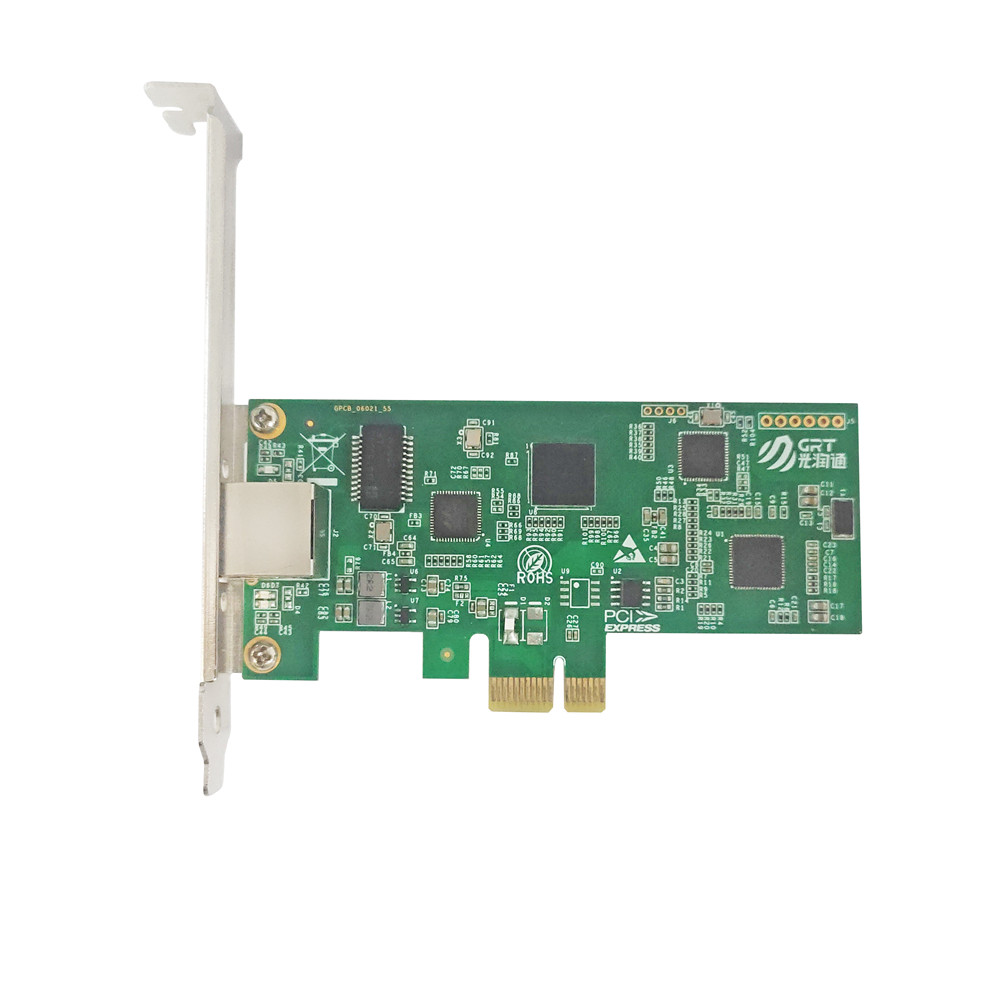
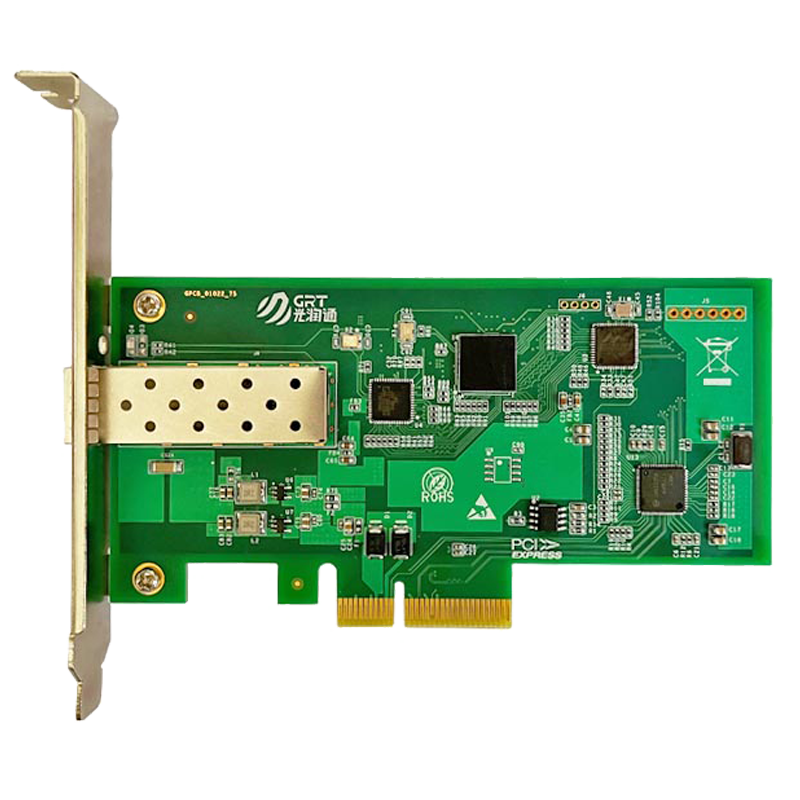
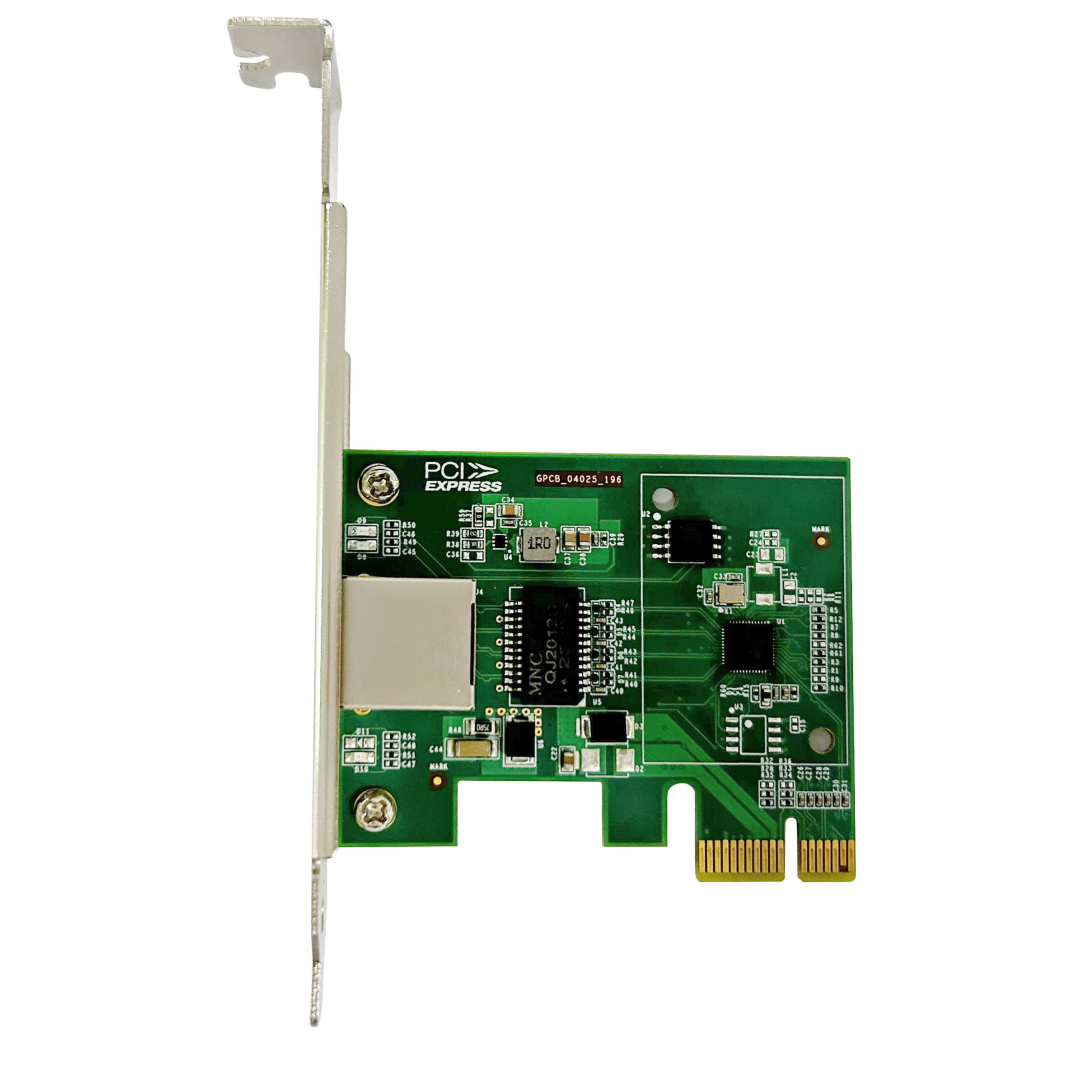
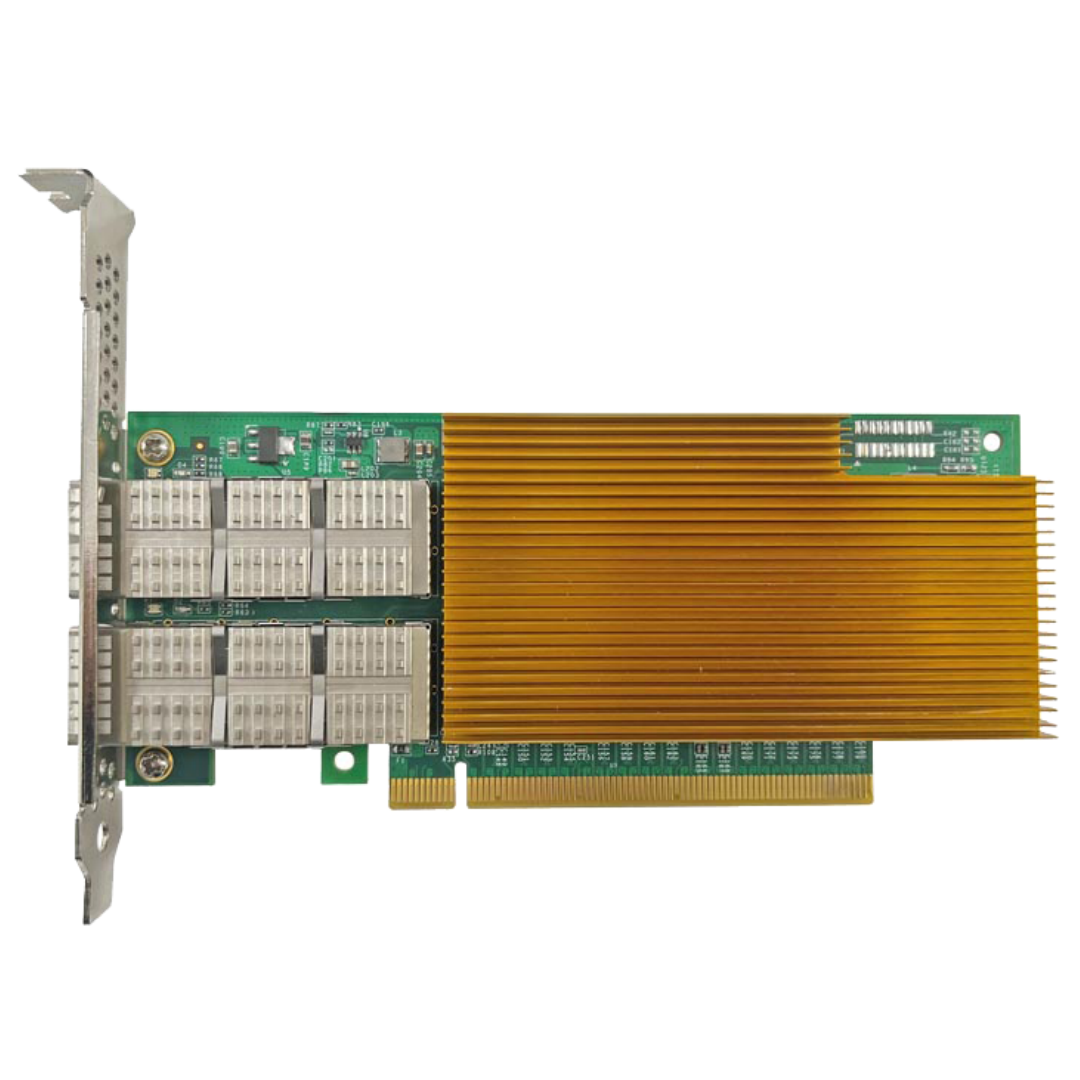
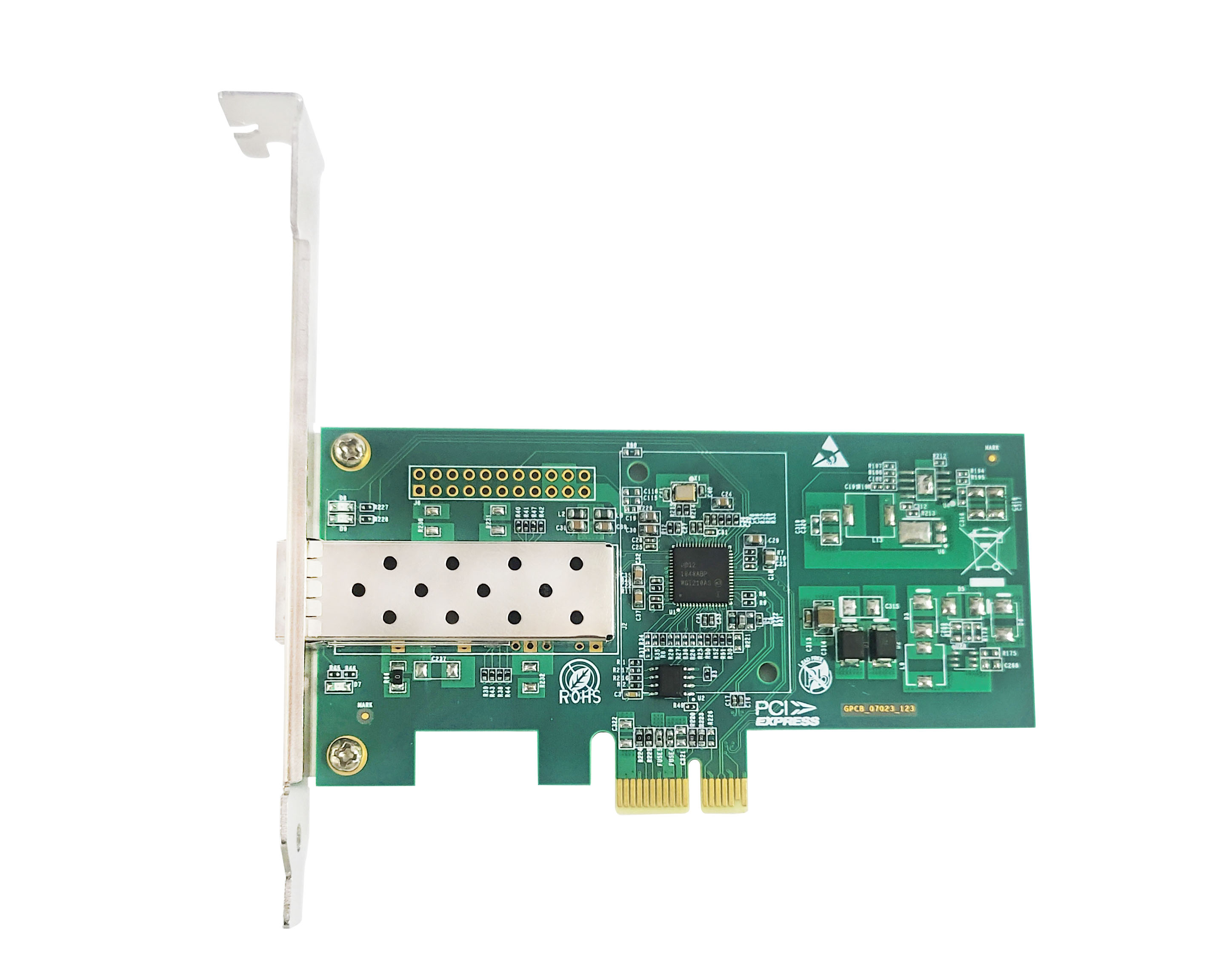
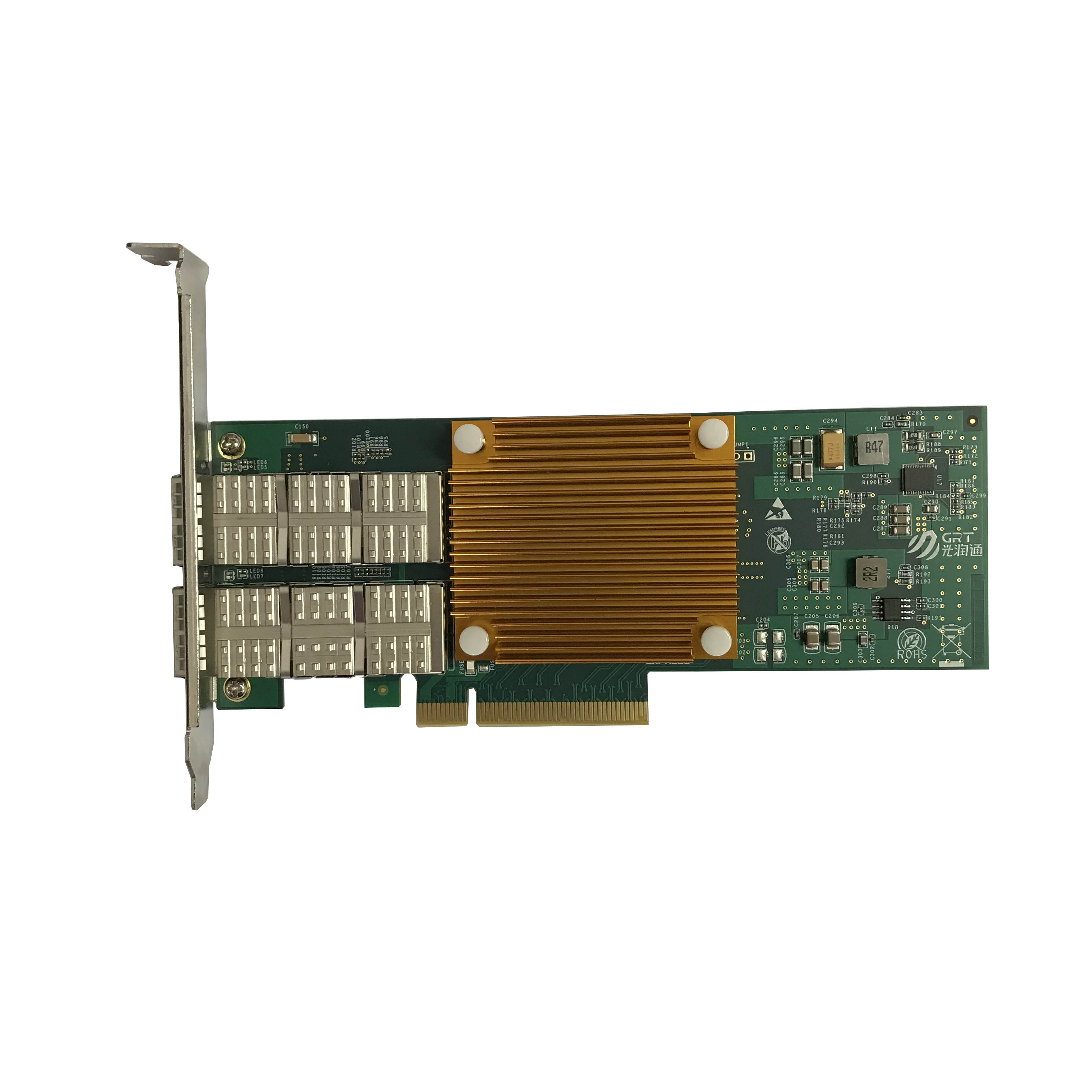
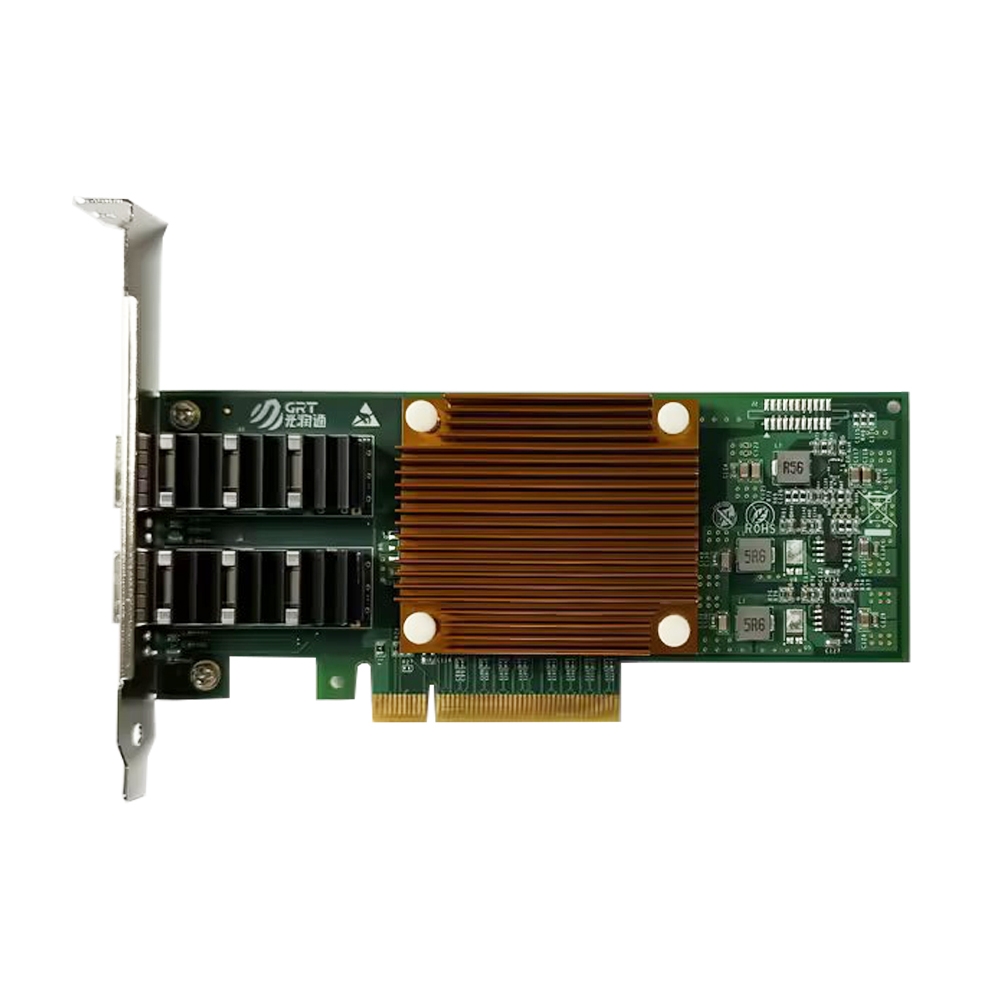
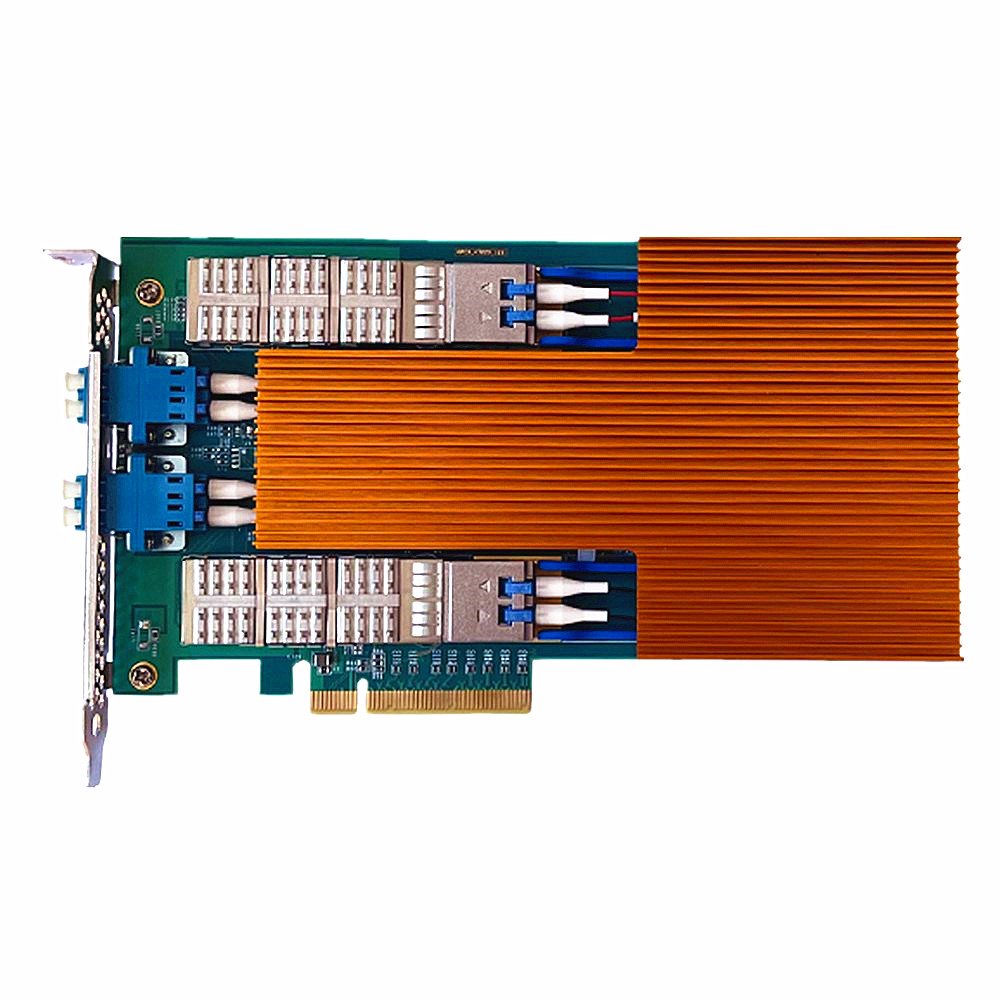
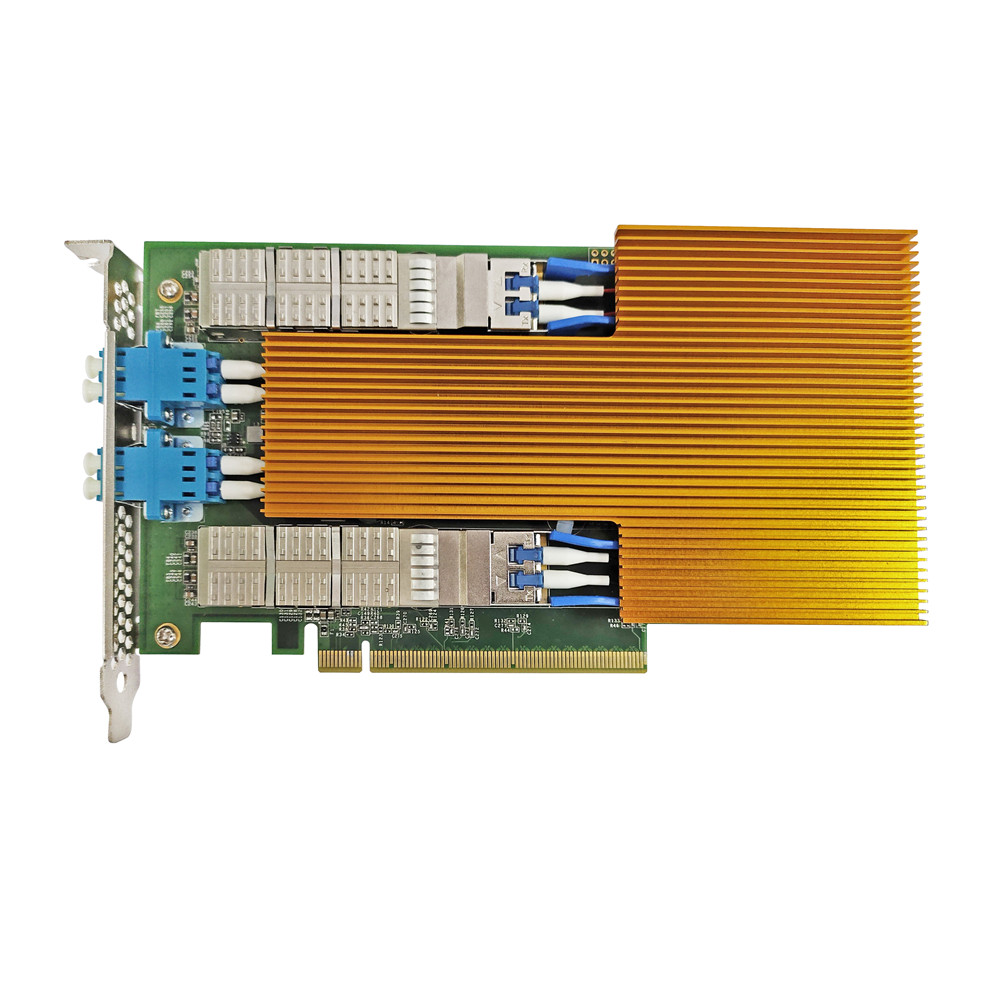
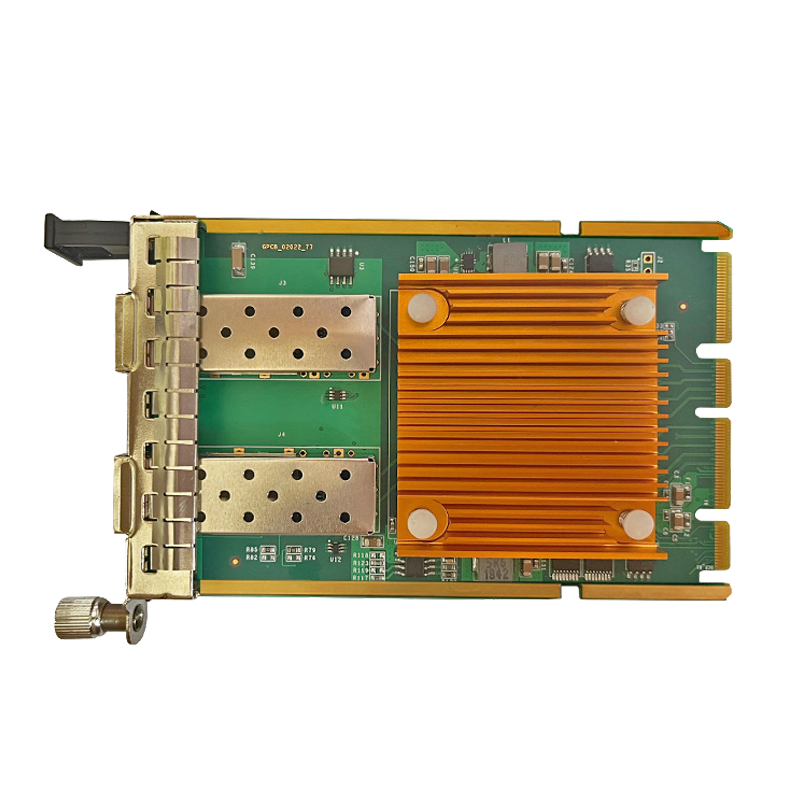
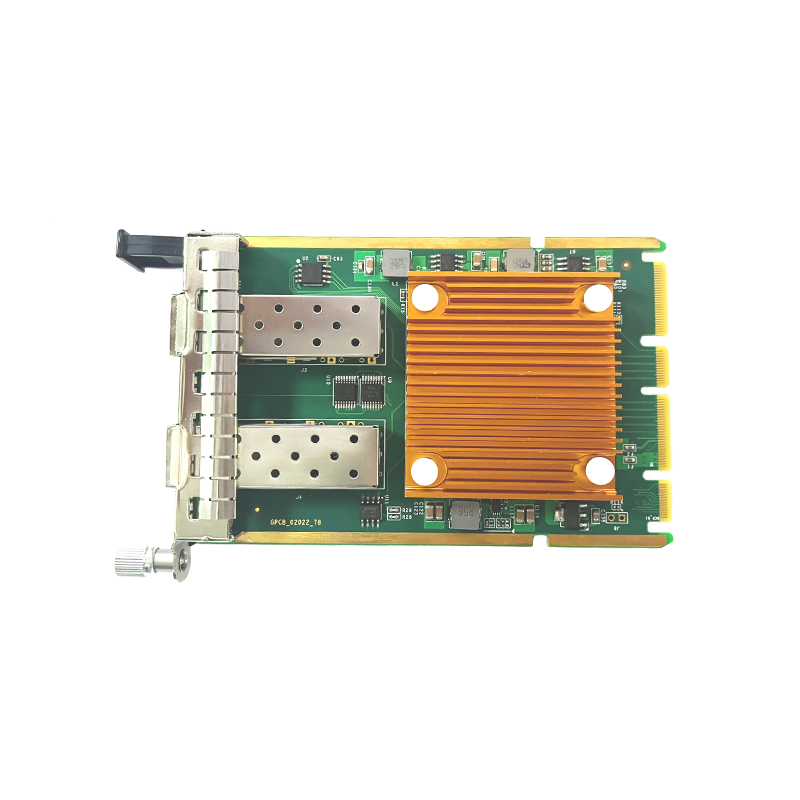
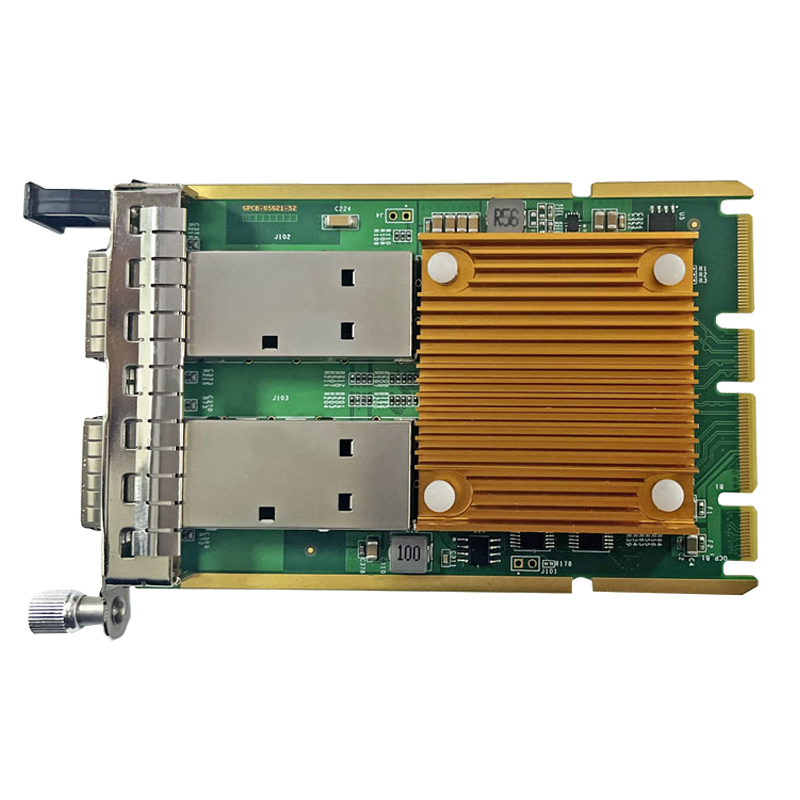
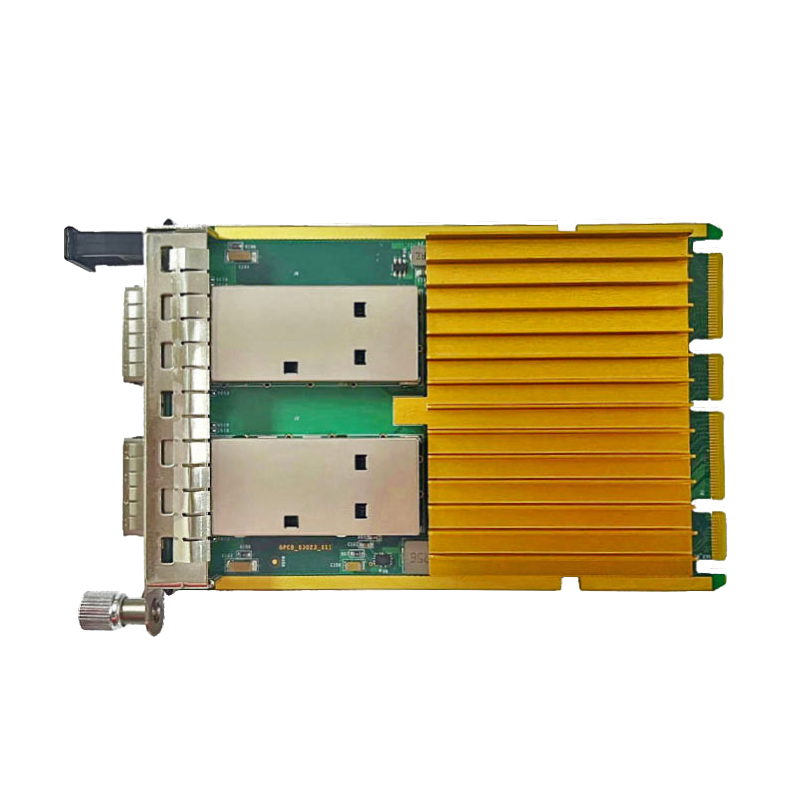
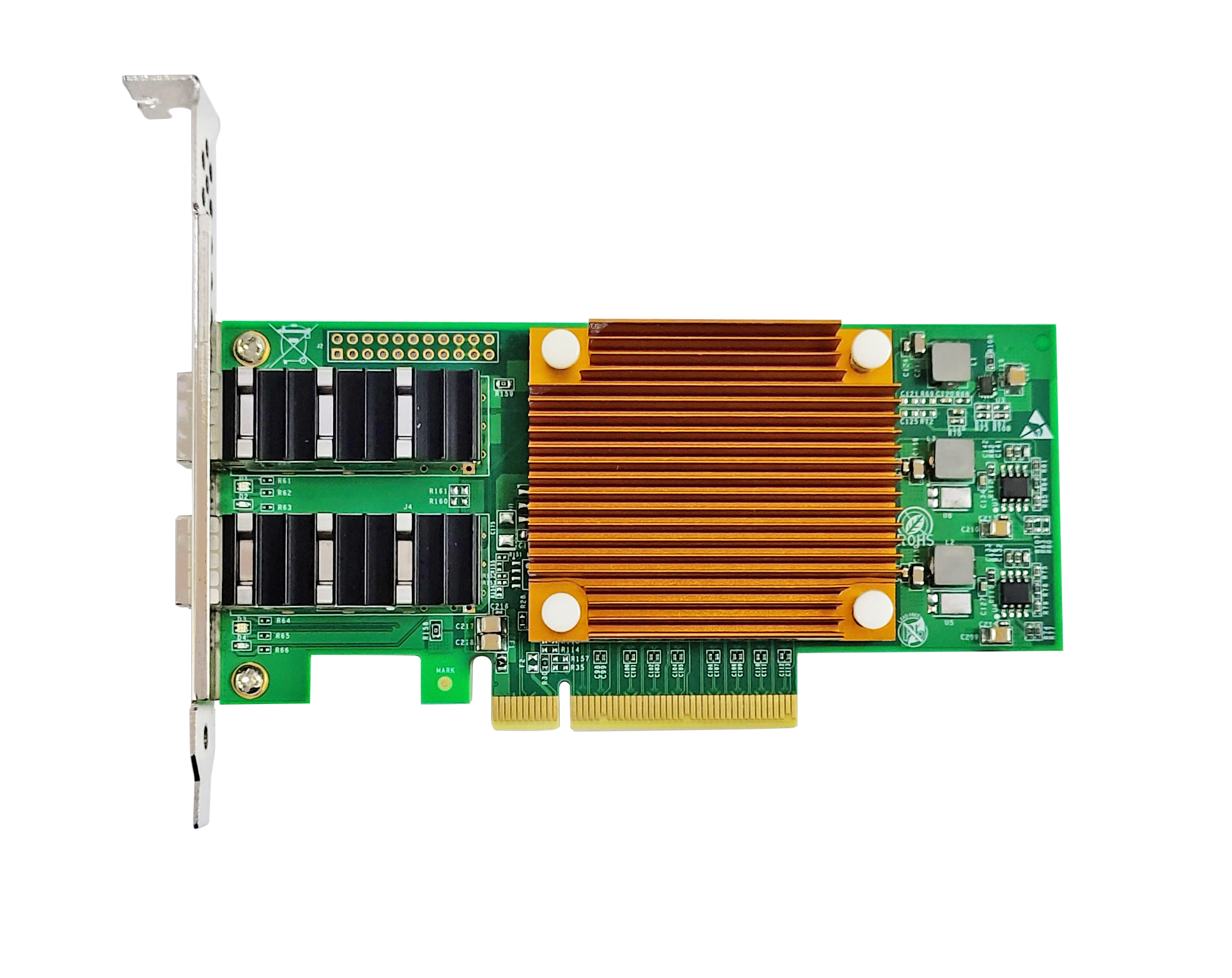
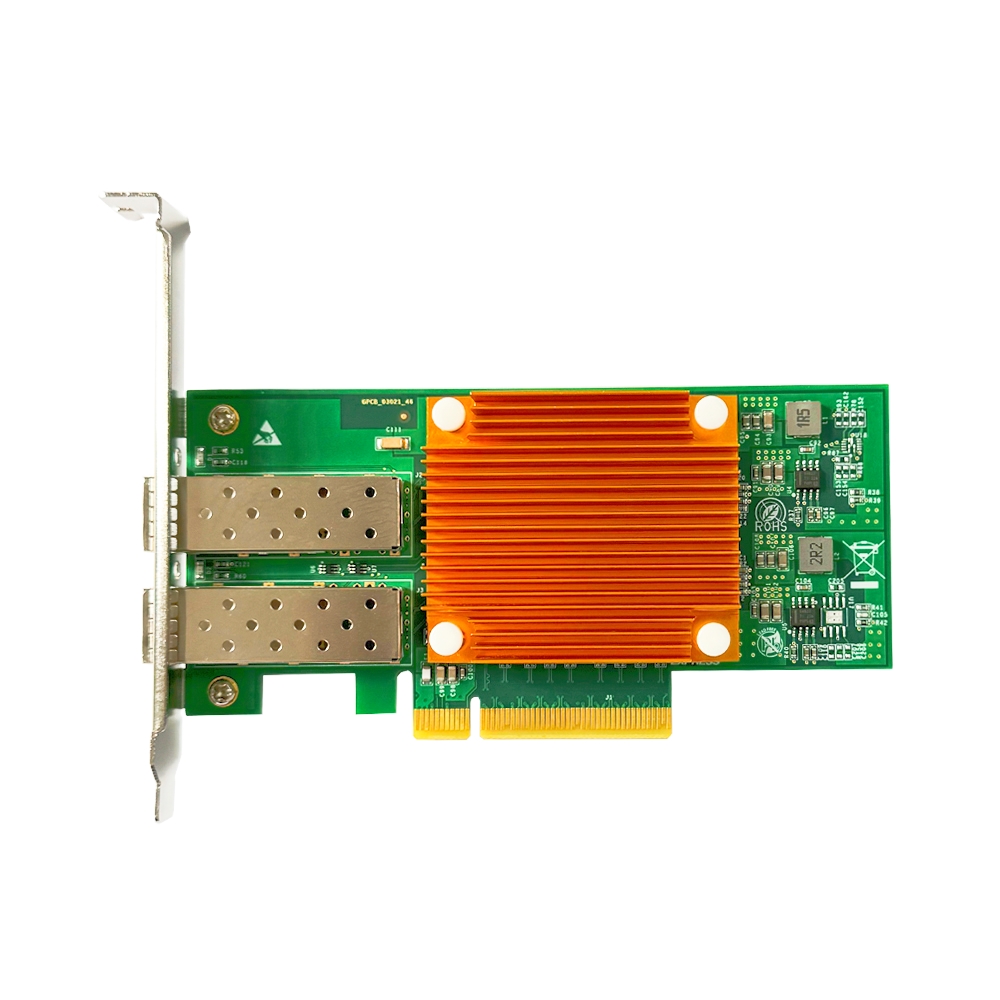
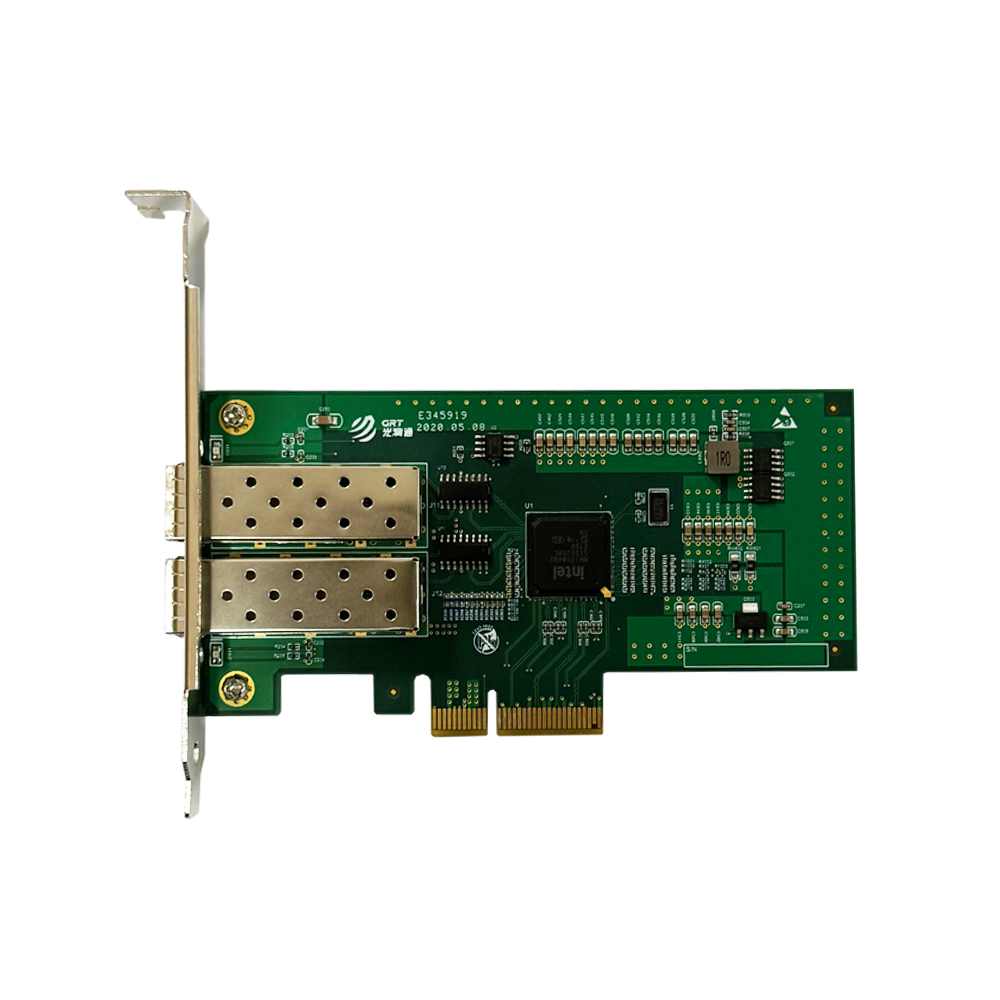
The physical connection between a fiber optic network adapter and a server motherboard relies on PCIe gold fingers. These golden contacts are often mistakenly believed to be made of pure gold. In reality, they are a composite structure consisting of a thin layer of hard gold alloy (gold-cobalt or gold-nickel) electroplated over a nickel underlayer. Although pure gold offers excellent conductivity and corrosion resistance, it is relatively soft and wears easily after repeated insertion and removal. Therefore, gold-cobalt or gold-nickel alloys are used in engineering applications to retain gold's chemical inertness while improving hardness and wear resistance.
Industry standards, such as PCI-SIG specifications, require a gold layer thickness of 0.2 to 0.5 micrometers (μm) and a nickel underlayer thickness of 2 to 5 micrometers. The nickel layer isolates the copper substrate and increases hardness, while the gold layer provides low contact resistance and oxidation resistance. For example, a 0.3 μm gold layer is only about one two-hundredth of the diameter of a human hair (approximately 70 μm). Although extremely thin, it is sufficient to ensure hundreds of insertion cycles. Laboratory tests show that gold fingers compliant with the specifications can maintain contact resistance below 10 milliohms after 500 insertion cycles, well below the PCI-SIG limit of 30 milliohms.
Poor plating quality or wear of the gold fingers can cause a range of problems. If the gold layer is too thin or gold is plated directly onto the substrate without a nickel underlayer, the underlying copper may become exposed and oxidize after repeated insertion and removal, increasing contact resistance. When contact resistance rises from the normal 10 milliohms to over 100 milliohms, PCIe link signals may experience reflection and attenuation, potentially triggering a reduction in link speed. In a real-world case, a faulty network adapter with worn gold fingers experienced a PCIe link downgrade from 3.0 x8 to x1, reducing actual throughput from approximately 7.8 GB/s to less than 1 GB/s. Users may mistakenly attribute this to a faulty server slot or damaged network adapter, when cleaning or replacing the adapter may be all that is needed.
Guangruntong (GRT) enforces strict quality-control standards for the gold-finger plating process of its network adapters. All products use plating processes that comply with PCI-SIG specifications, with gold layer thickness controlled between 0.3 and 0.5 micrometers. They also undergo insertion-cycle testing, with at least 200 cycles completed without performance degradation. Before shipment, every network adapter undergoes visual inspection of its gold fingers and sampling tests for contact impedance, ensuring stable and reliable electrical connections throughout the server's service life. This attention to detail is particularly important in high-density data centers where maintenance is frequent.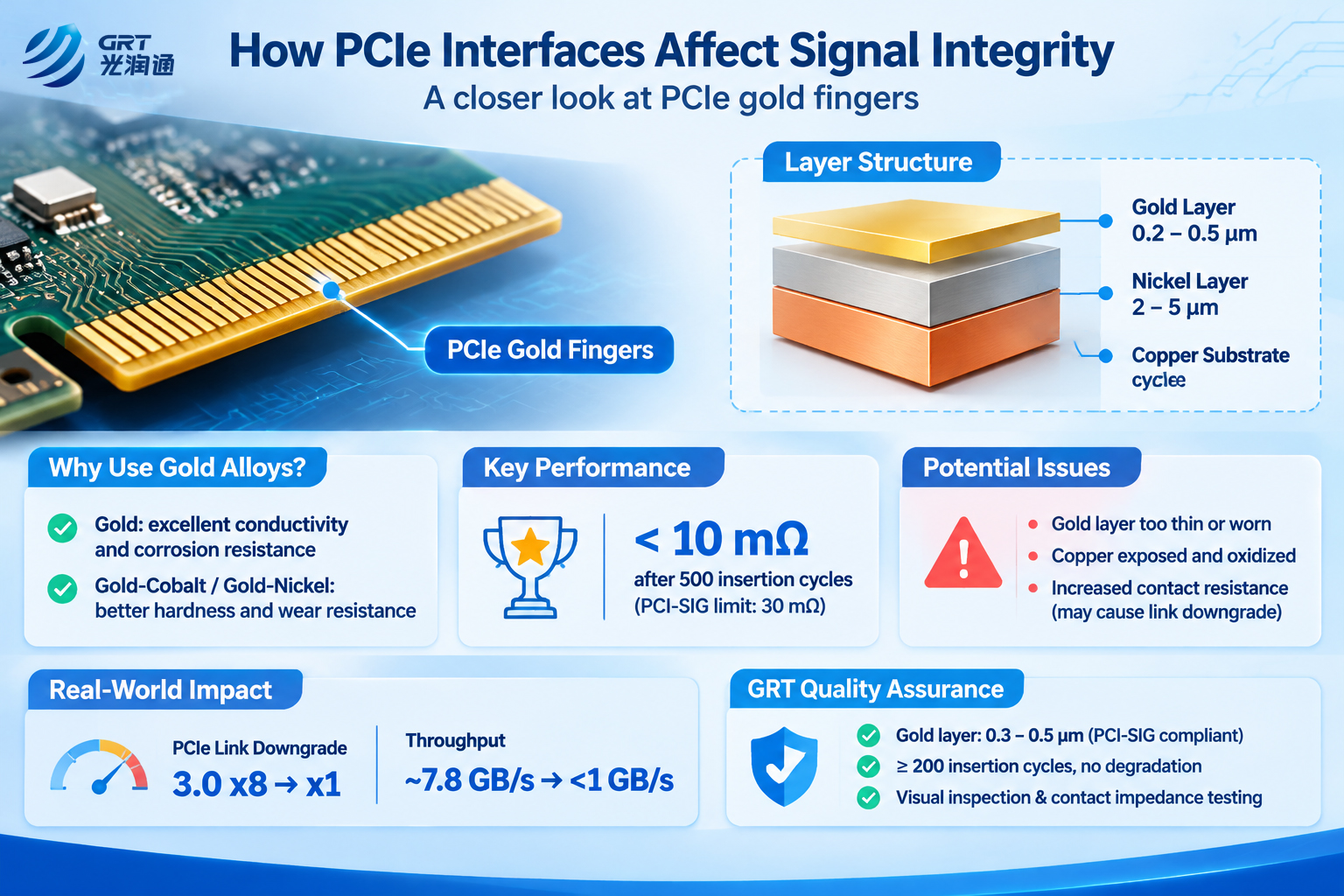
- Prev: DDM Function of Optical Modules
- Next: None
Latest information
- How PCIe Interfaces Affect Signal Integrity
- DDM Function of Optical Modules
- Precision Time Protocol (PTP)
- How NIC Interrupt Moderation Reduces CPU Load but Introduces Latency and Jitter
- The High-Performance Network Revolution in the AI Era: RDMA
- NAS Storage Network Upgrade Guide
- Why Does Upgrading Your NAS to 2.5GbE Not Improve Network Speed?
- What Is an OCP 3.0 Network Card?