Sign in





Global Data Center Centers Under Pressure: OCP 3.0 NIC Challenges and Opportunities Coexist
< BackWith the rapid development of the global big data era, data center equipment rooms are facing increasing pressure. More bandwidth, lower latency, more capacity expansion, and tighter internal space are all making data centers around the world more and more crowded. In response to this challenge, in 2012, Facebook first proposed the OCP NIC project. In less than a decade, the OCP 3.0 project has become one of Facebook's most successful projects.
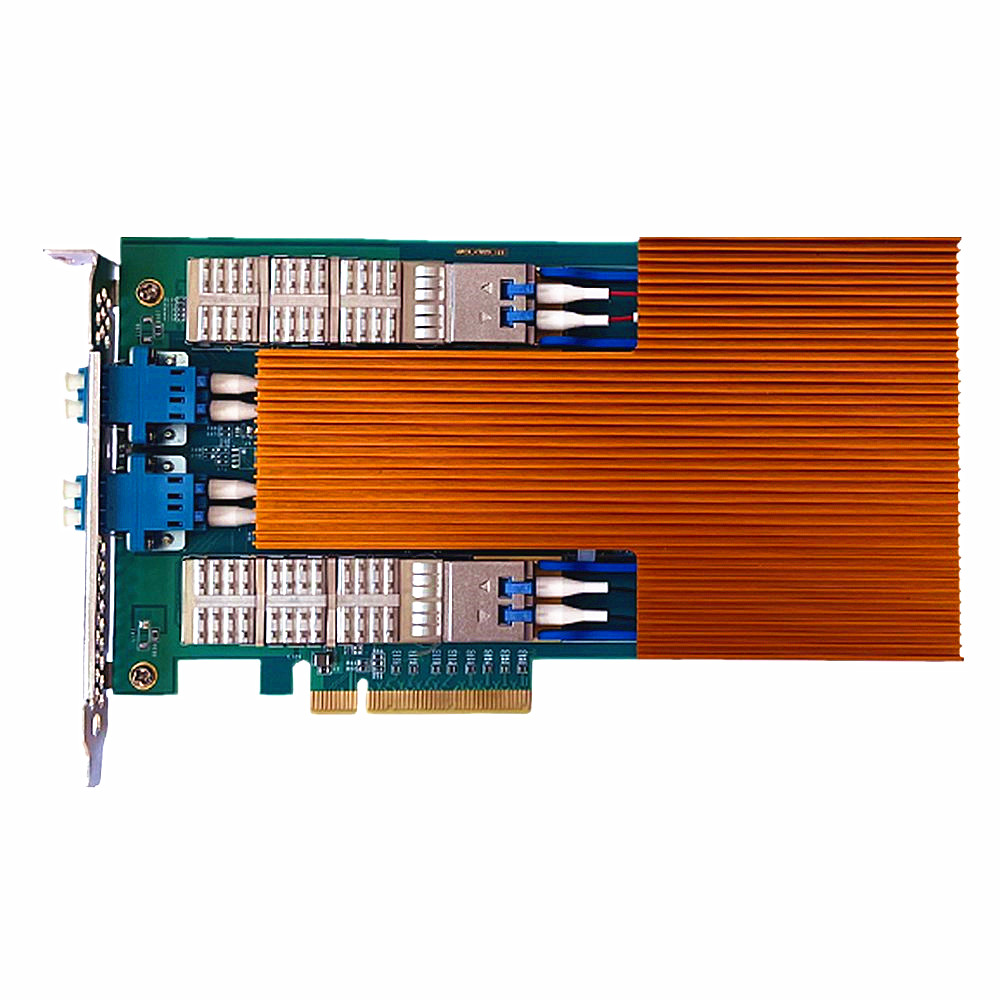
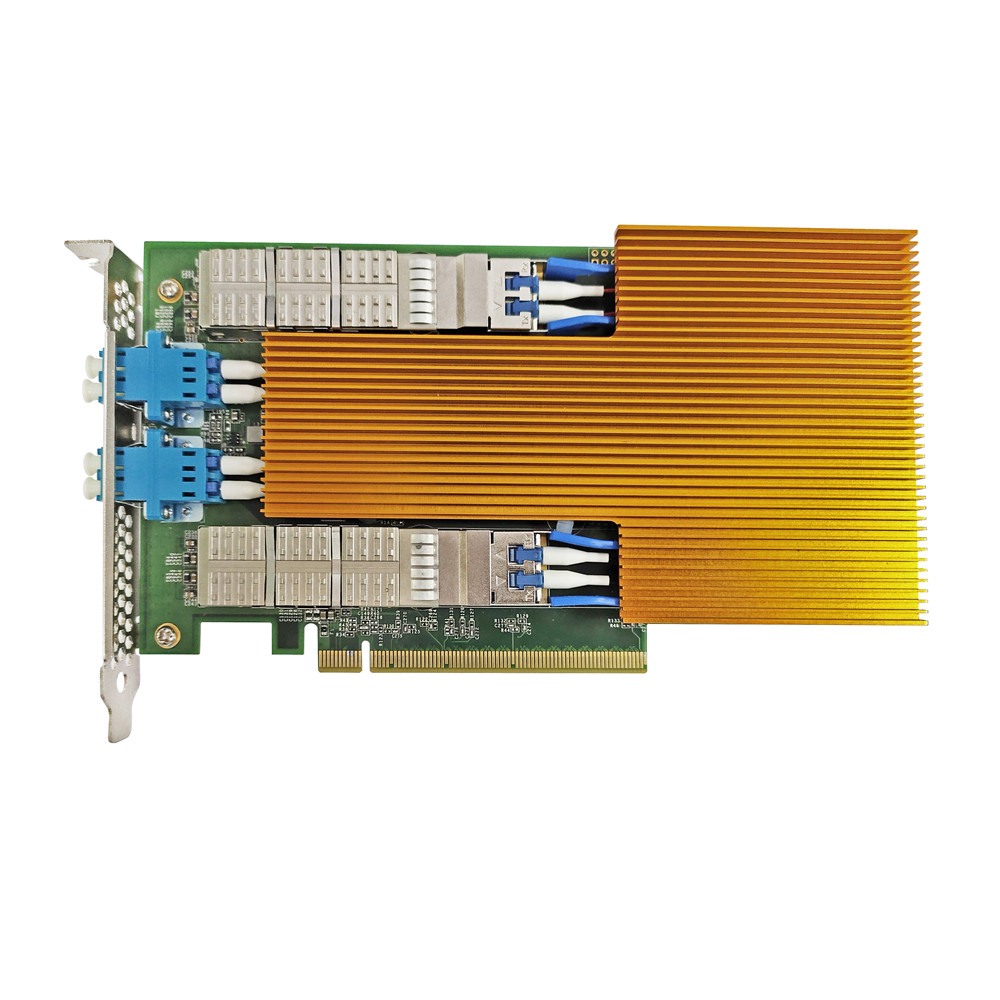
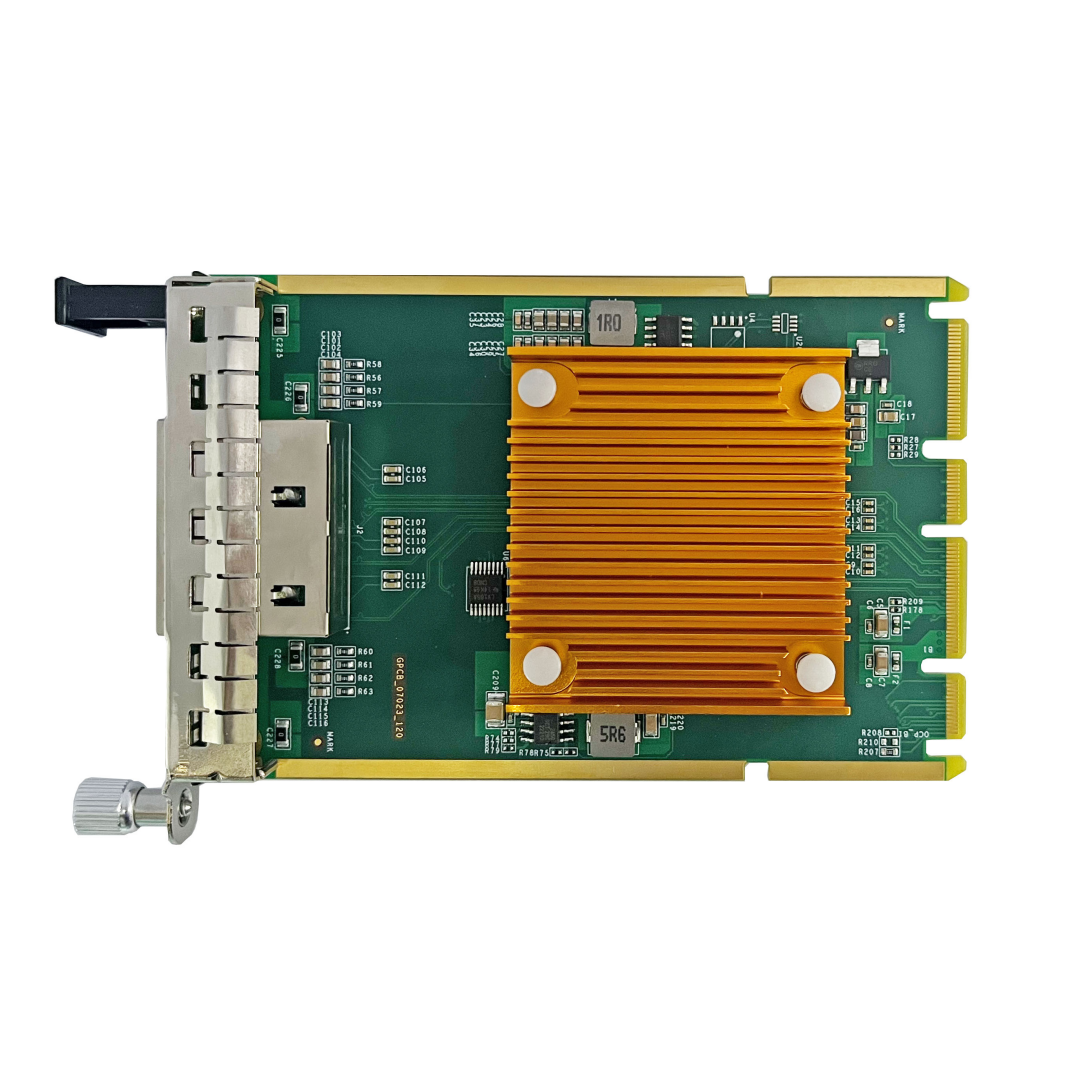
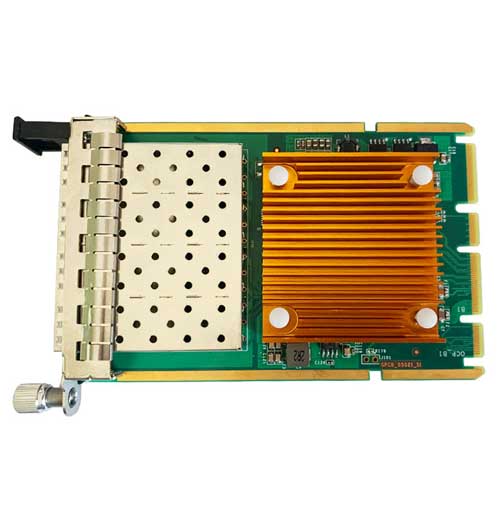
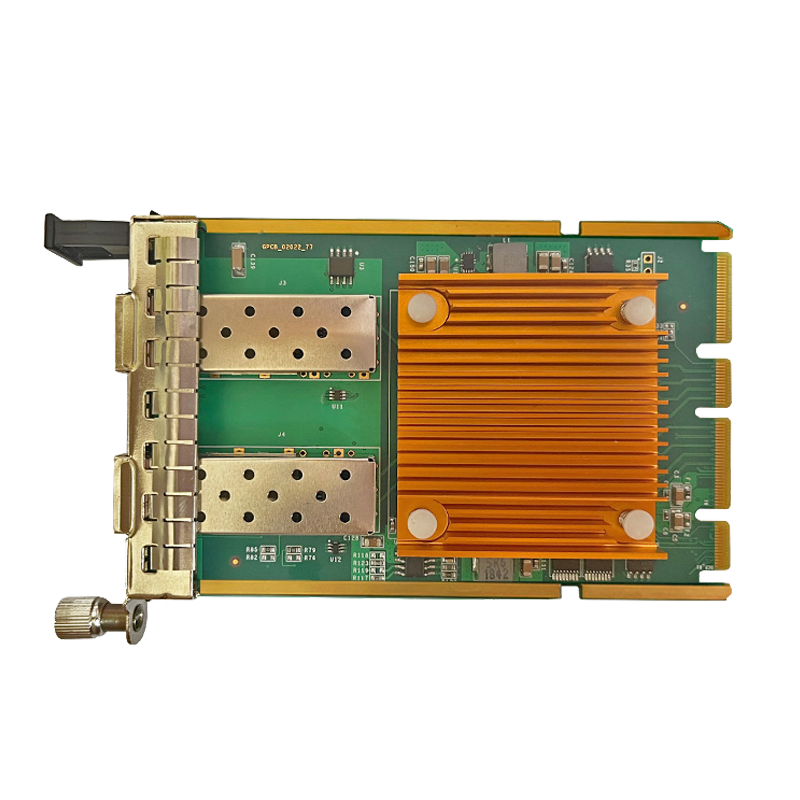
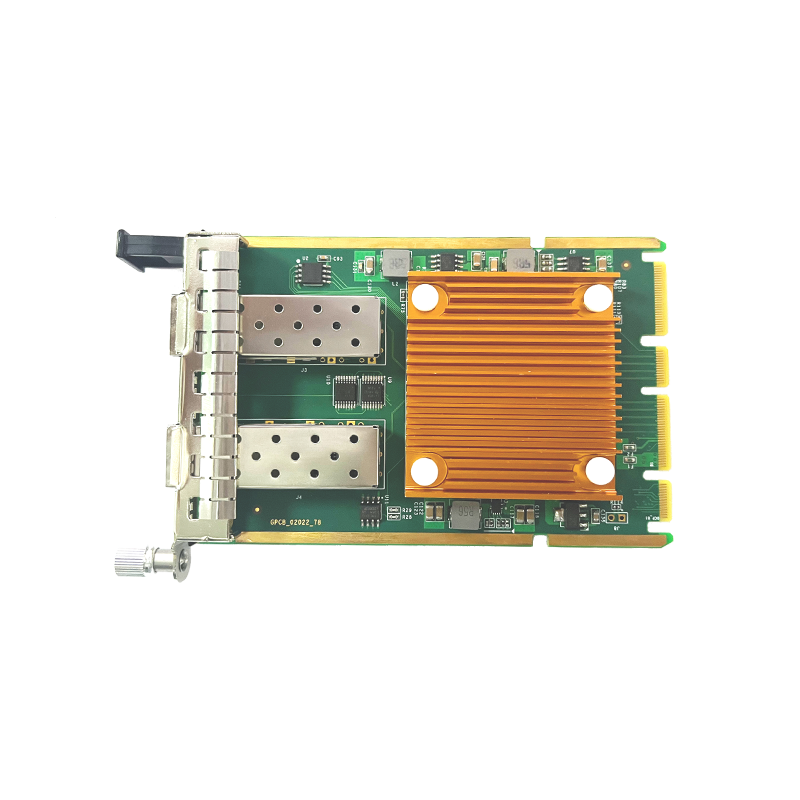
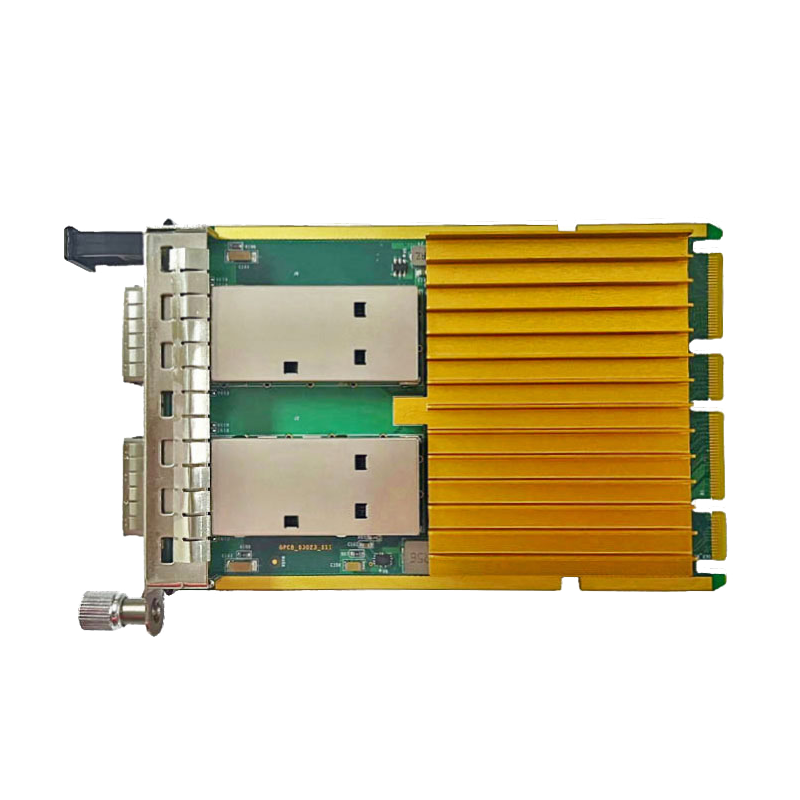
GRT keeps up with the pace of development of the times and has also launched a series of OCP network cards. In terms of speed, GRT provides 1/10/25/40/100G OCP network cards; From the port point of view, GRT provides OCP network cards with dual optical ports, dual electrical ports, four optical ports, and four electrical ports; In terms of network card chips, GRT uses Intel i350, 82599, X710, XL710, E810 and other main control solutions. These OCP NICs have been widely used by well-known server manufacturers around the world.
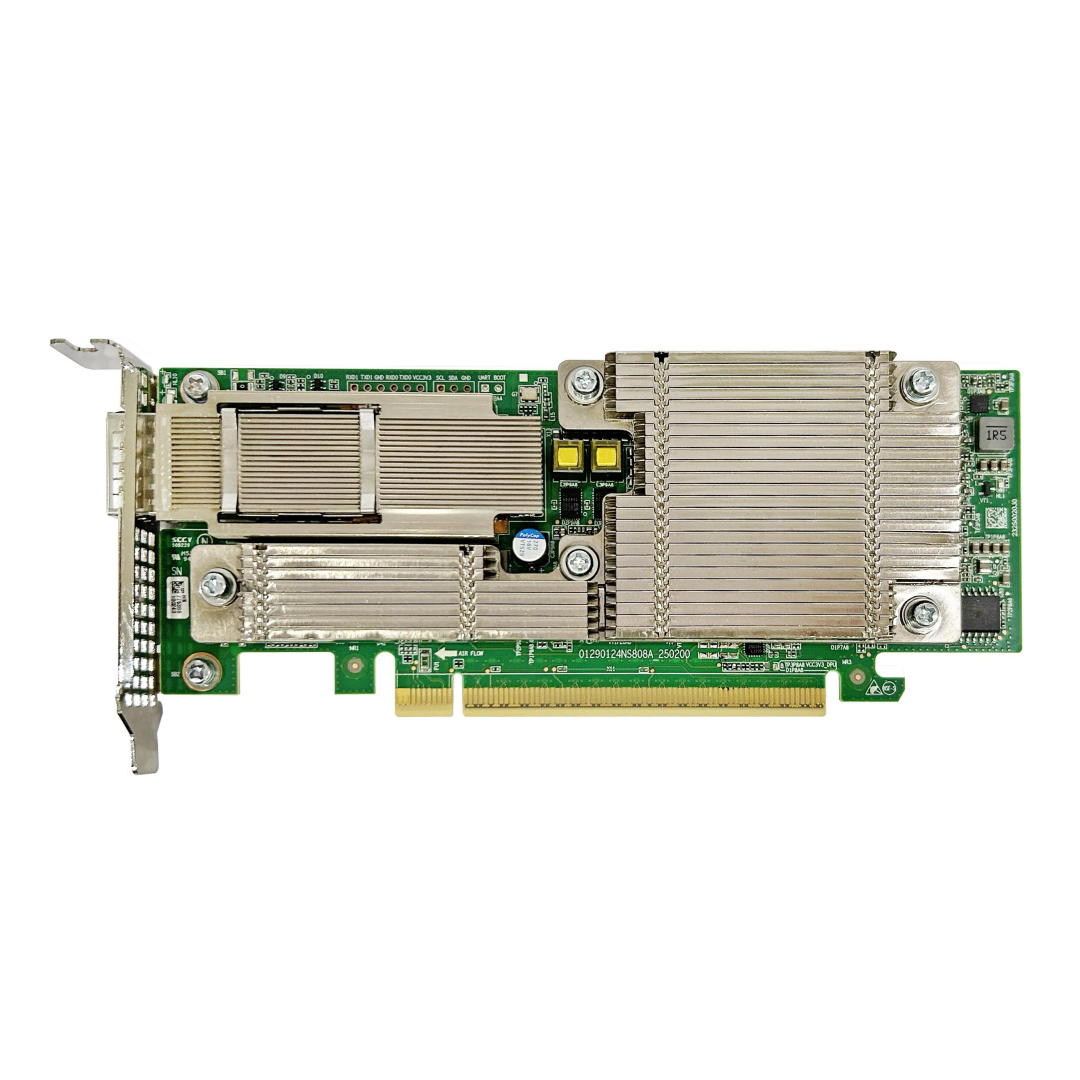
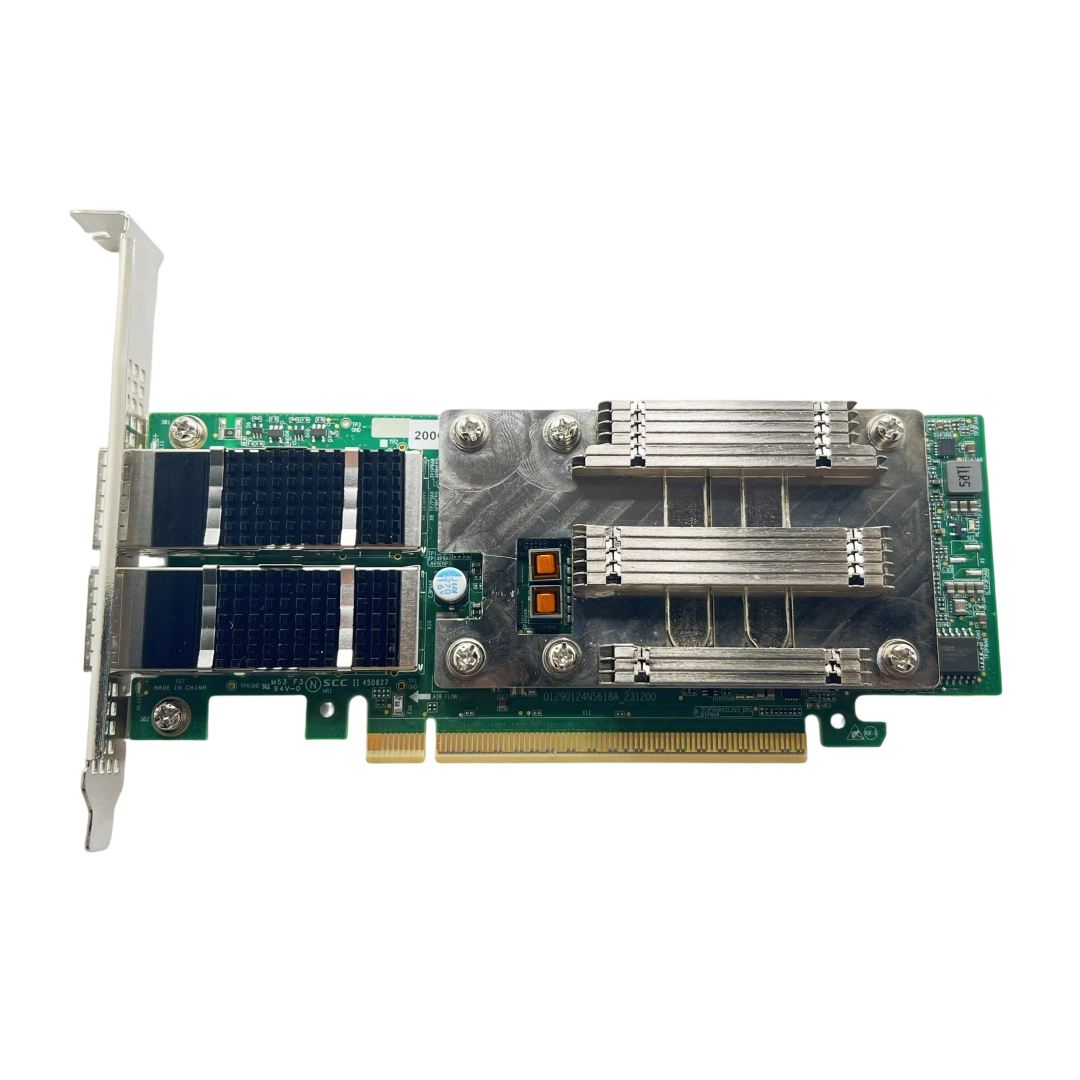
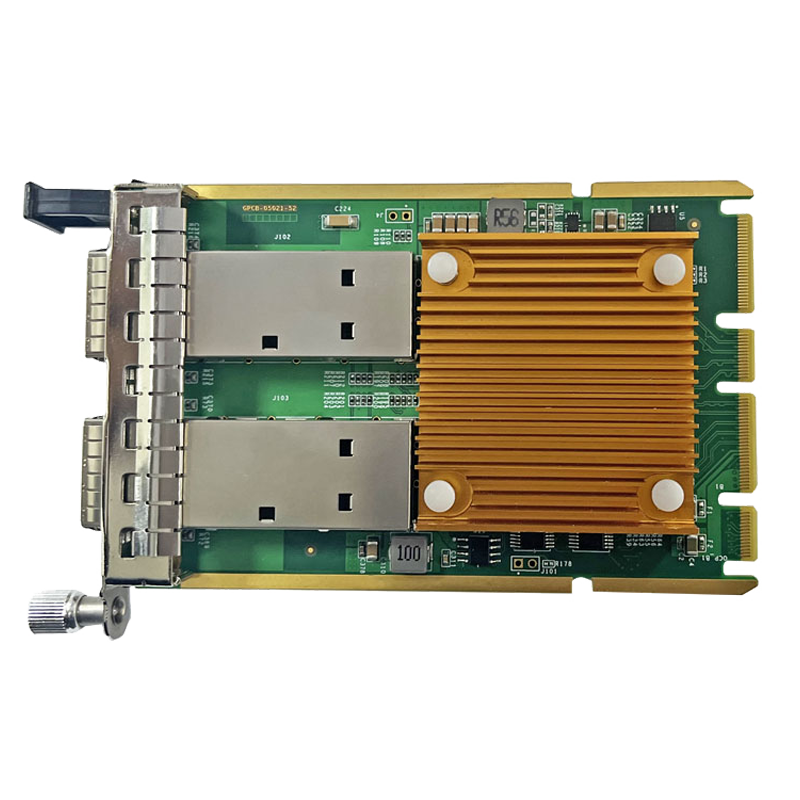
GRT has launched 100G dual-optical OCP 3.0 server network card (product model: GH1102E-OCP-V3.1). Let's take a look at the highlights of this product:
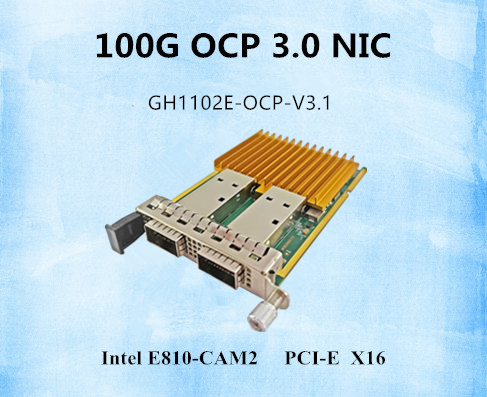
1. GH1102E-OCP-V3.1 is the first 100G OCP3.0 NIC based on the Intel E810-CAM2 main control scheme, with unparalleled high-speed transmission performance.
2. This 100G dual-optical OCP3.0 NIC supports RDMA (RocE v2 and iWARP) functions, which can optimize server performance and reduce CPU usage to the greatest extent, and the performance can be benchmarked against Mellanox 100G OCP3.0 NIC.
3. The NIC also supports the unique ADQ application queuing function of the Intel 800 series, which can improve the predictability of application response time and minimize the delay of the data road.
4. This network card also supports PCIe v4.0 x16 and is backward compatible with PCIe v3.0. The doubling of bandwidth and throughput with PCIe 4.0 brings significant performance benefits to data transfer and storage in data centers.
5. This NIC adopts the standard SFF board size, which is compatible with all standard OCP3.0 interface chassis equipment on the market.
Latest information
- Network Card Driver: The Invisible Bridge Between Hardware and Operating System
- Understanding the Partners in Fiber Links: Optical Modules and Optical Fibers
- How to Select NICs for Virtualization Environments to Achieve Performance Isolation and Resource Allocation
- What are FCC, CE and RoHS on Network Cards
- How Bypass NIC Ensures Uninterrupted Network When Server Power Fails
- The Key Role of Bypass Network Cards in Firewalls
- Choosing Between Fiber NIC and Copper NIC: Application Scenarios Determine Interfaces
- Ambassador Chang Hua of the People’s Republic of China to Saudi Arabia Visits GRT Booth at LEAP 2026