Sign in





NVIDIA Makes Major Investment in Optical Communications; Chinese Semiconductor Industry Faces Historic Opportunity
< BackRecently, NVIDIA, the leading AI chip manufacturer, announced multi-year strategic agreements with optical technology firms Lumentum and Coherent, involving procurement commitments worth billions of dollars and priority access to production capacity. It has also invested US$2 billion in each company to support research and development and production expansion. This move is viewed by the market as a clear signal that the importance of optical communication technology within AI data centre infrastructure is set to rise further. Analysts point out that optical interconnects and advanced packaging integration are the cornerstones of next-generation AI infrastructure, and that the development of silicon photonics technology is crucial for building AI infrastructure on an unprecedented scale, with unprecedented speed and energy efficiency.

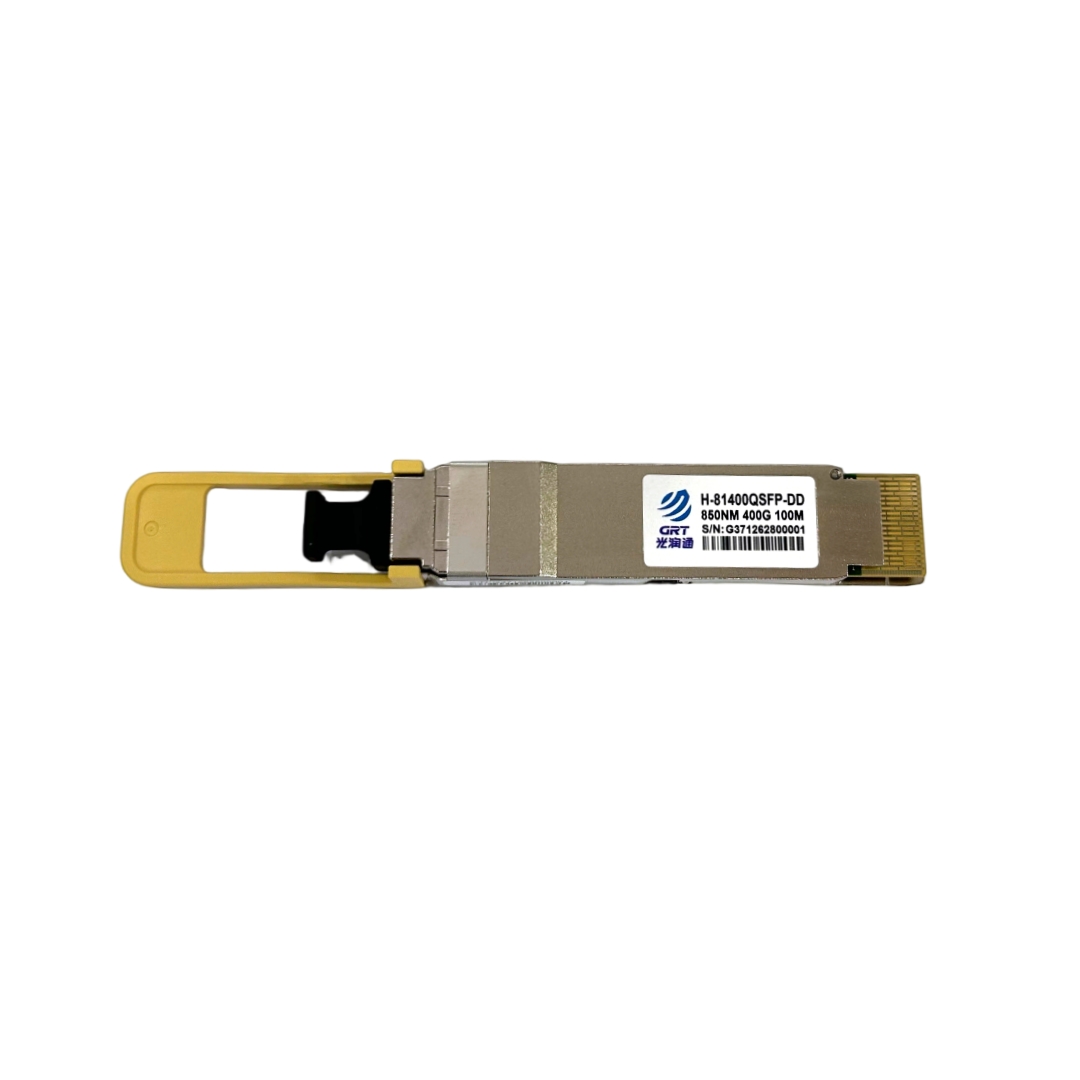
Against this industrial backdrop, the value of electronic-in-optical (EIC) chips within optical modules is being reassessed. A research report by Guosheng Securities points out that electronic chips (including TIAs, drivers, CDRs, etc.) are not merely ancillary components of optical modules, but rather core hubs that determine signal rates and power consumption. Specifically, the TIA is responsible for amplifying and converting the detector’s signal at the receiver end, whilst the driver drives the laser to emit light at the transmitter end. With the evolution of next-generation technical solutions such as LPO and CPO, the signal equalisation functions previously handled by DSPs—which have been removed to reduce power consumption—are gradually being transferred to the TIA and Driver. This has led to a significant increase in the absolute value of electronic chips and their proportion of the total system value.
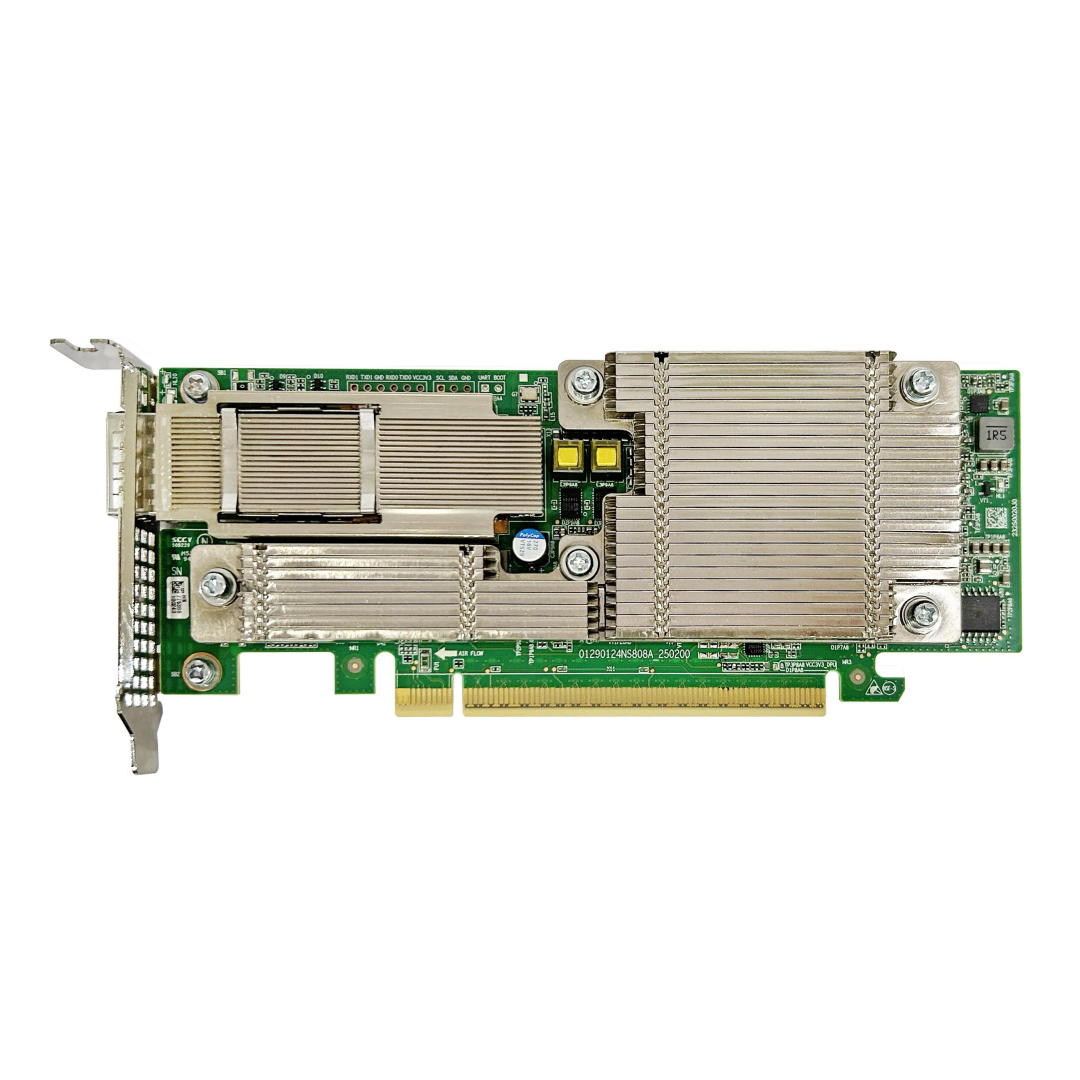
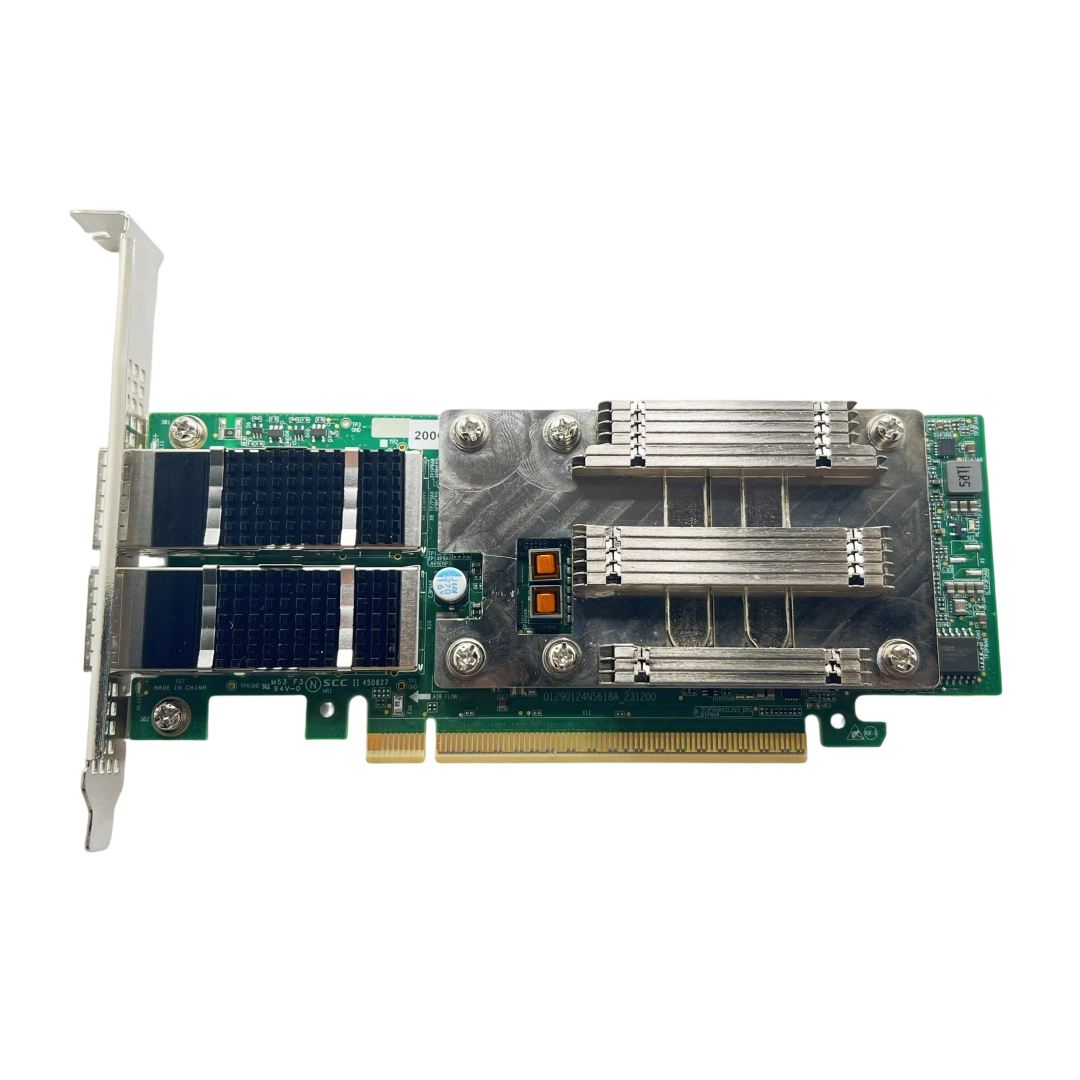
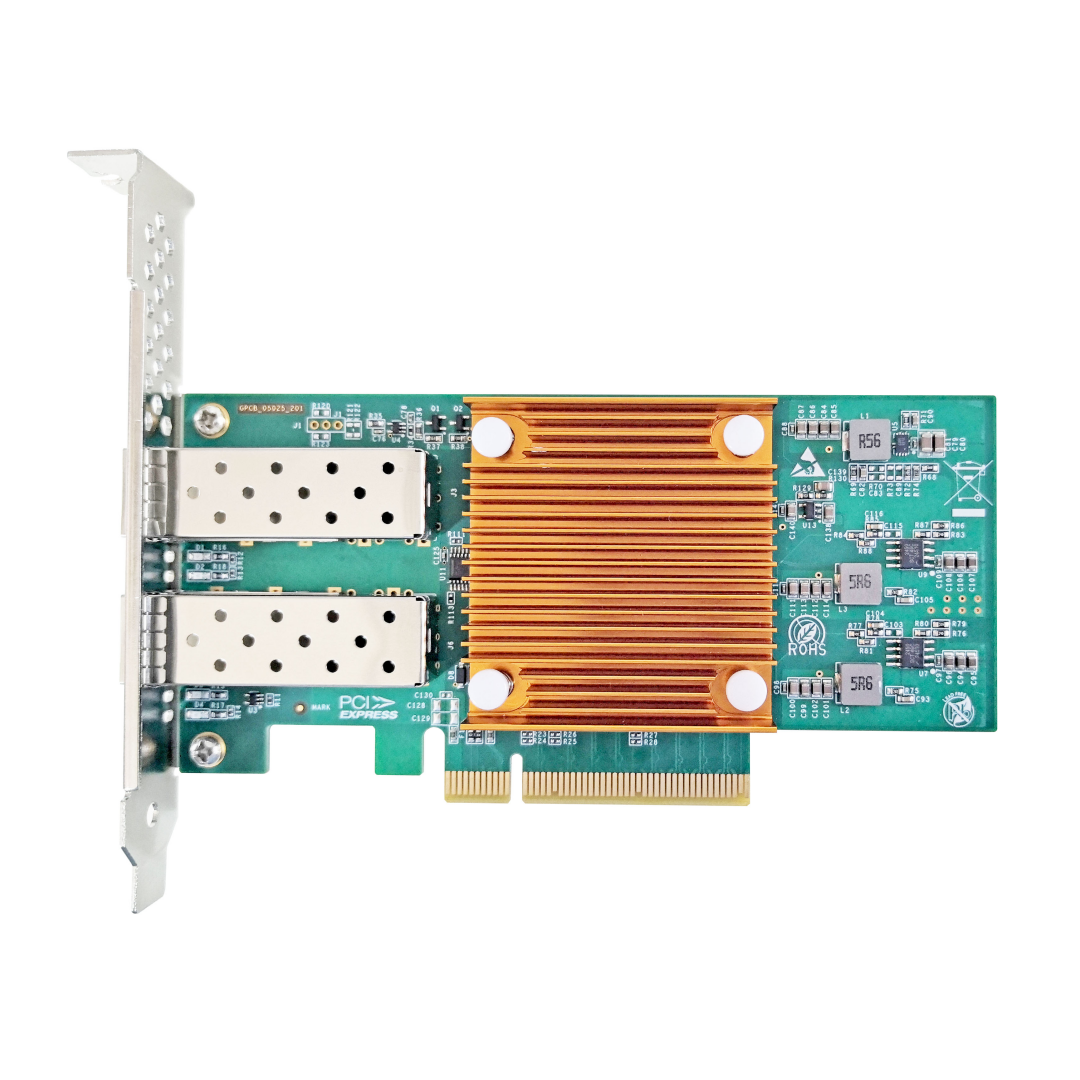
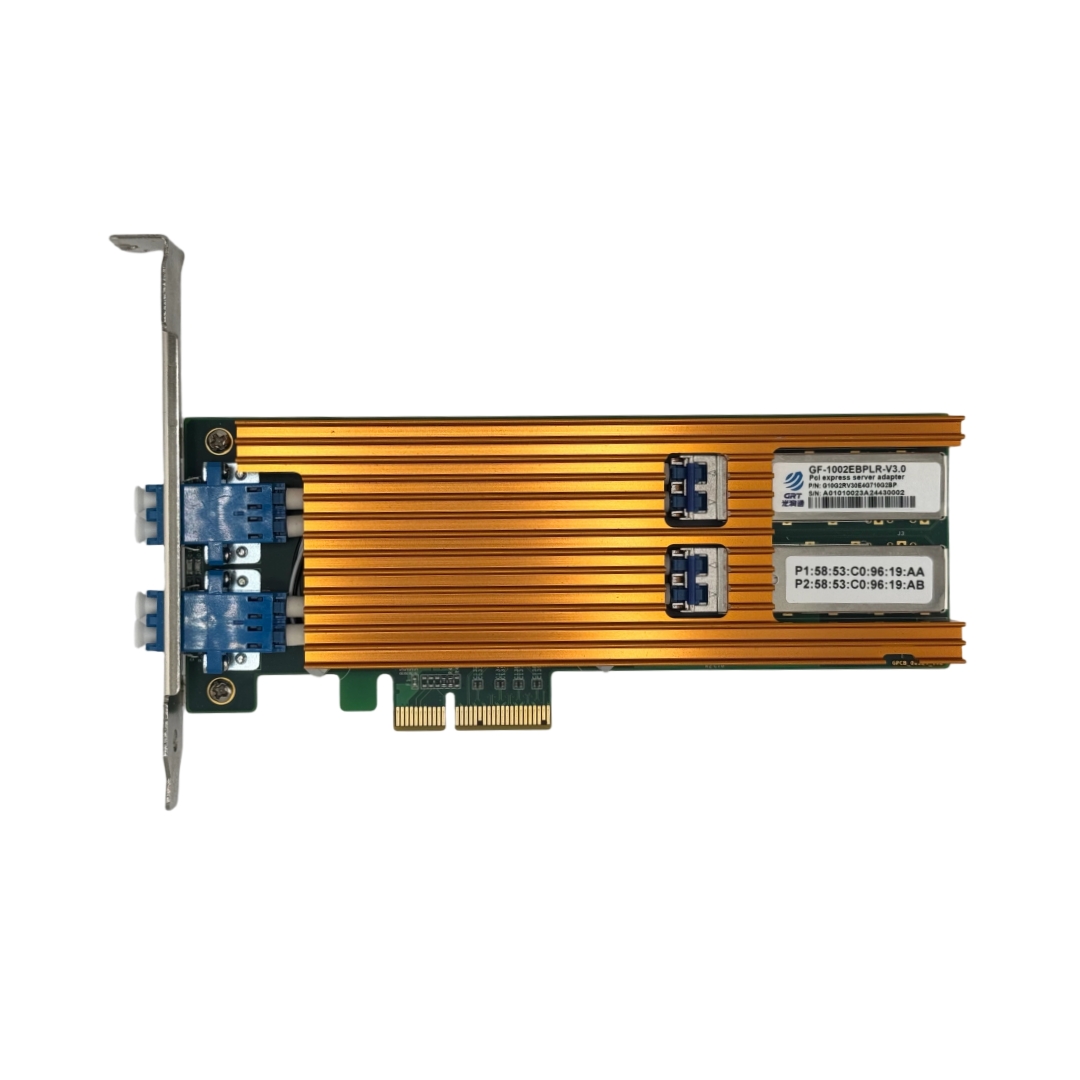
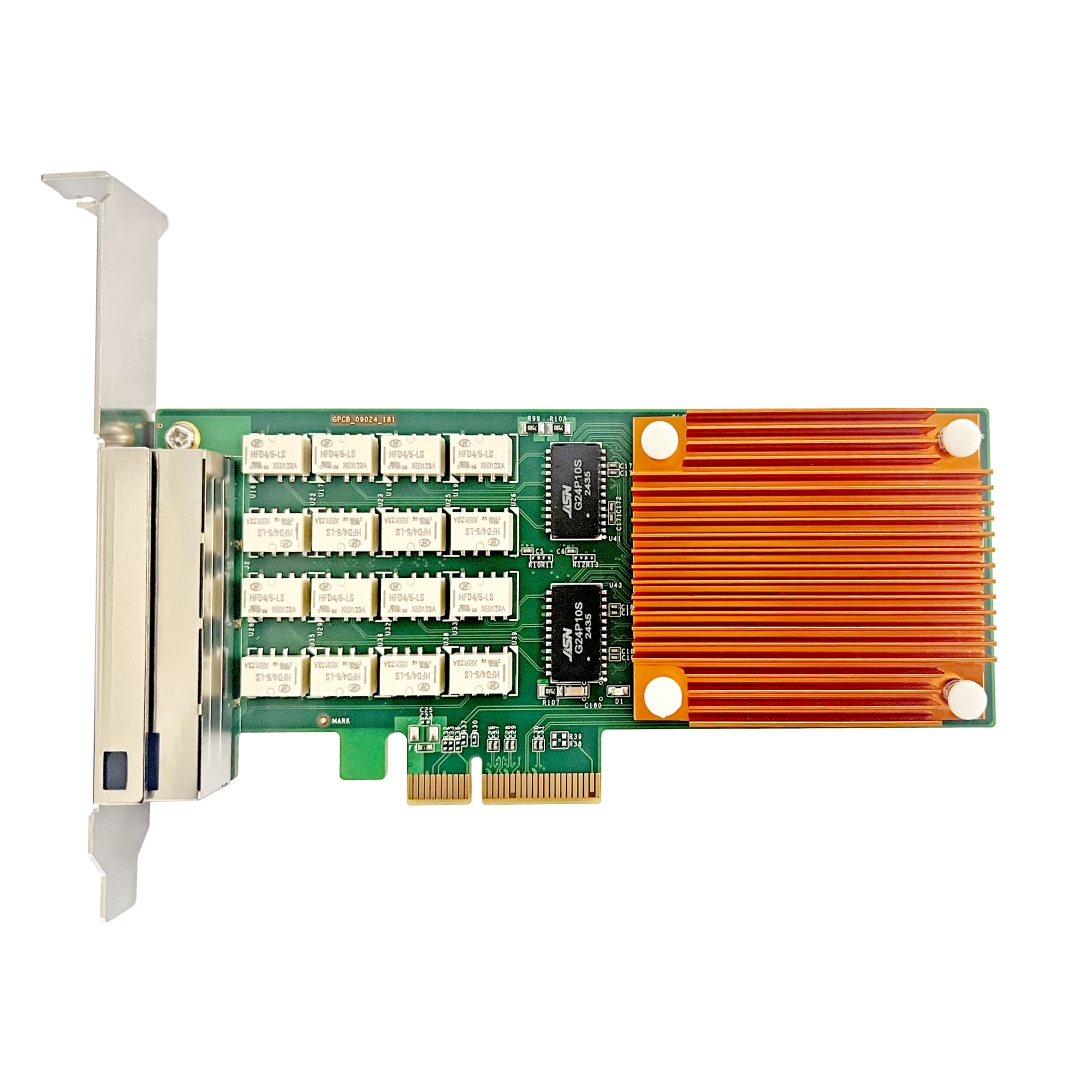
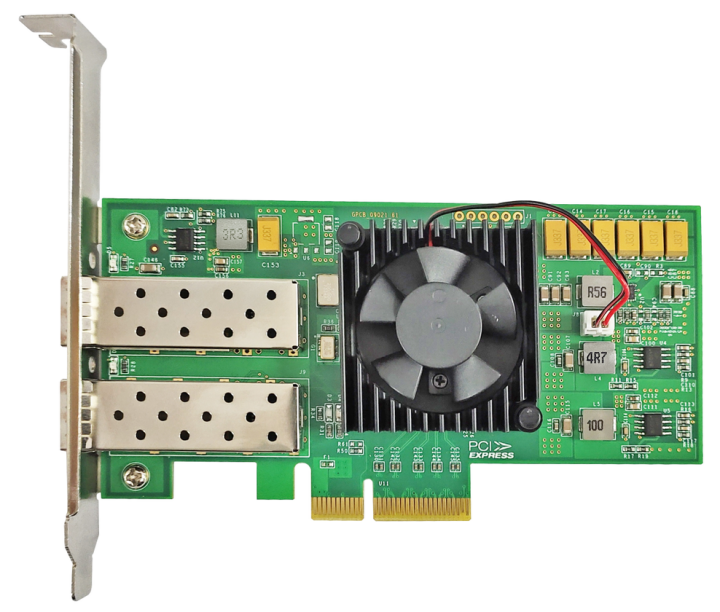
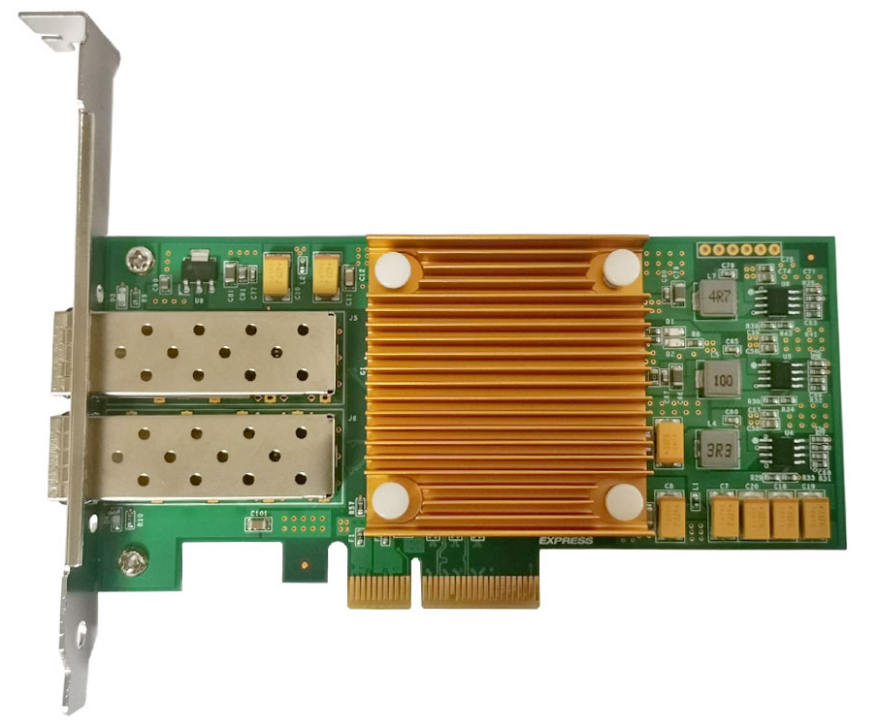
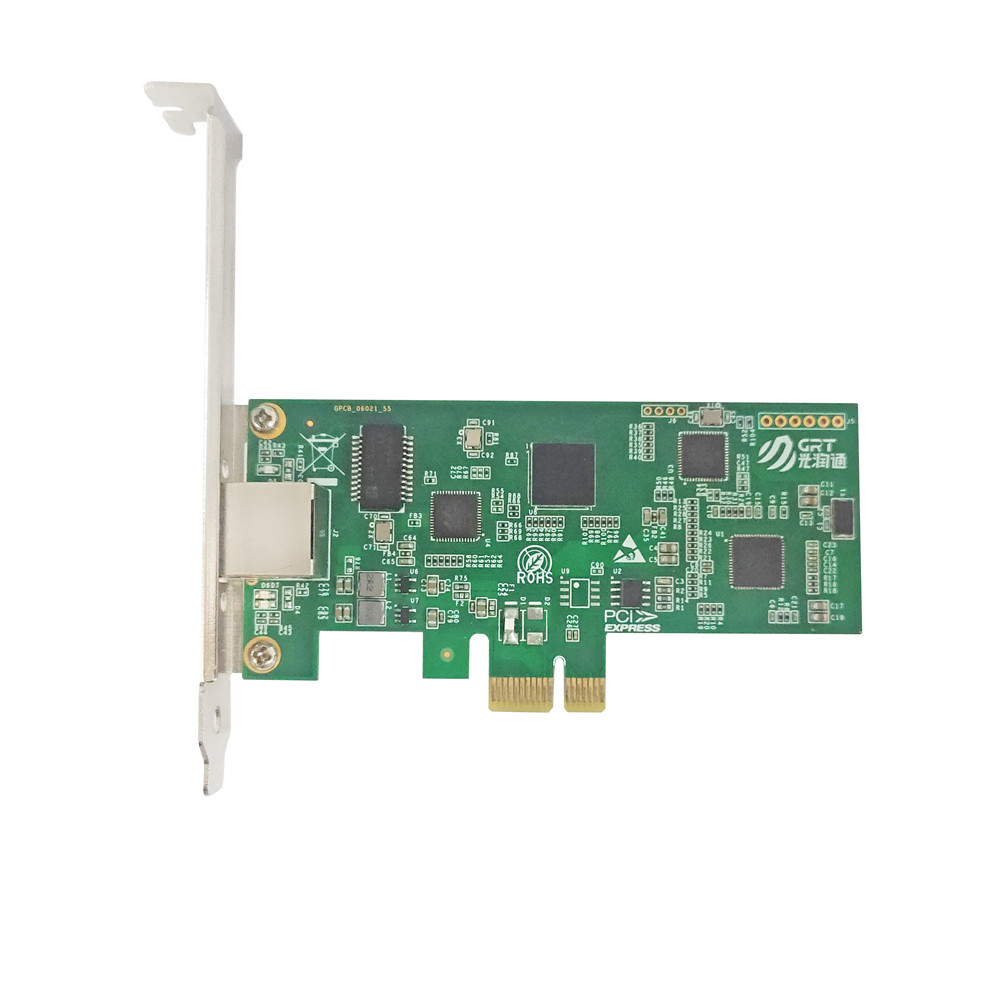
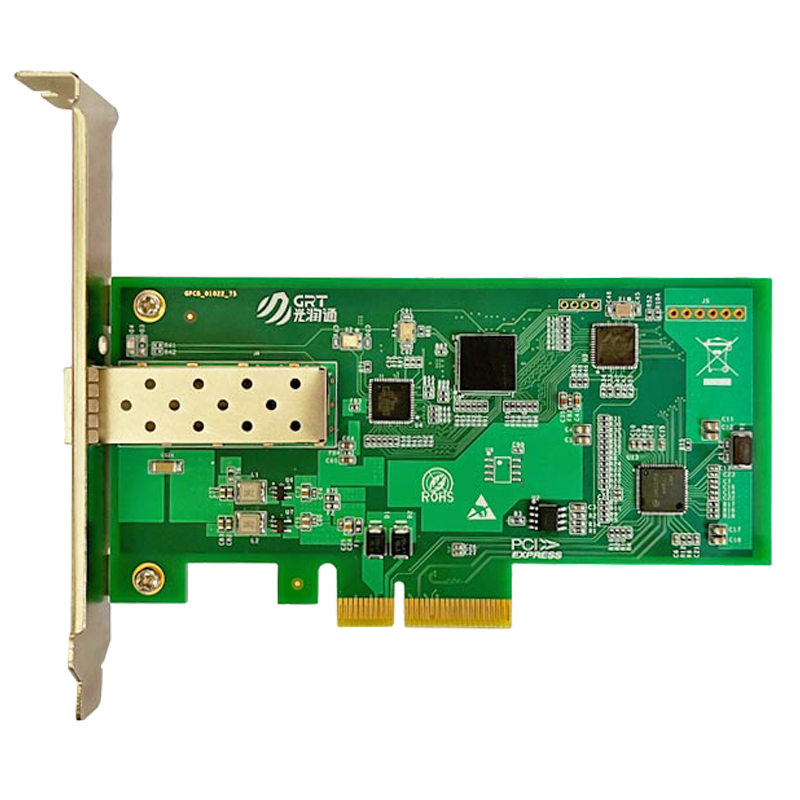
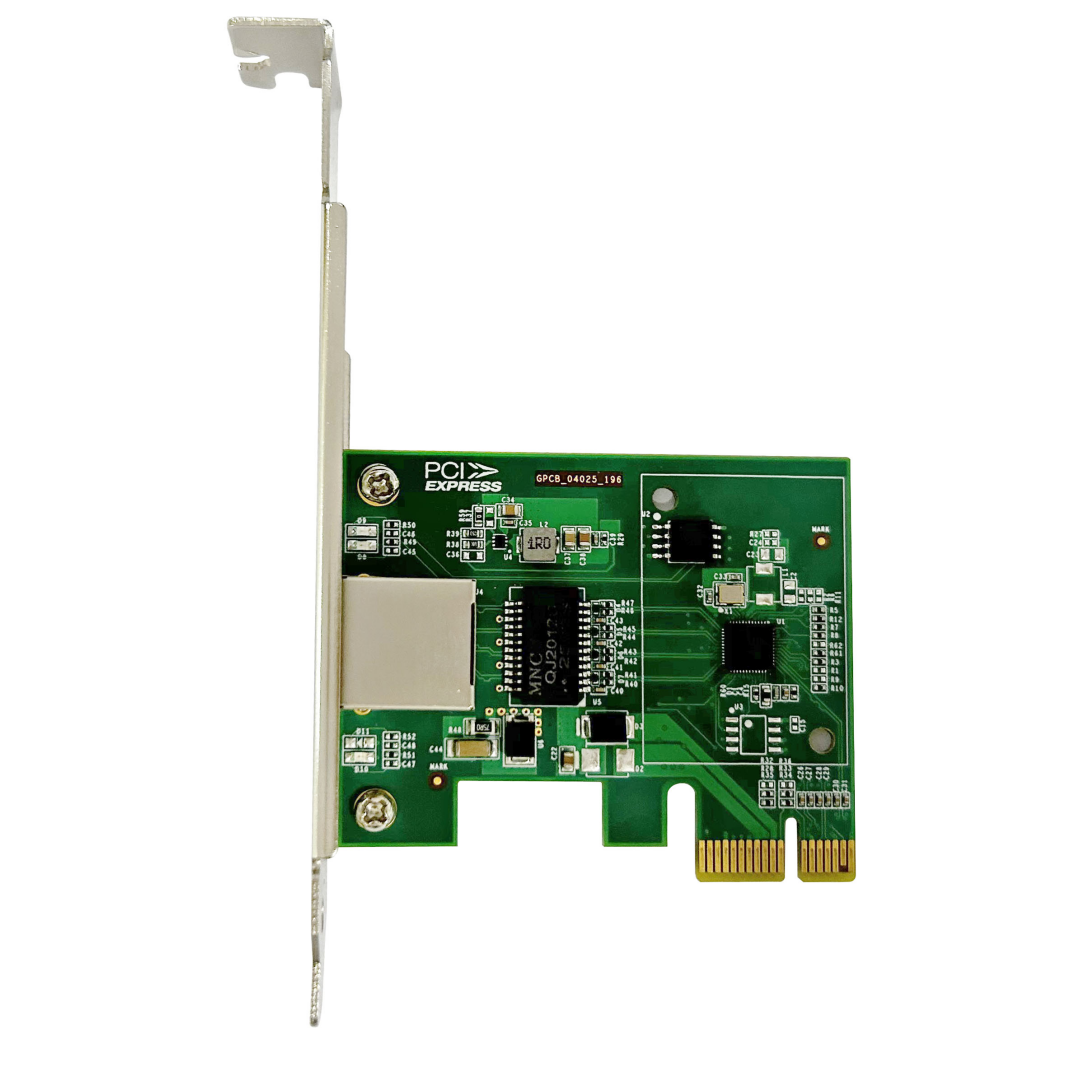
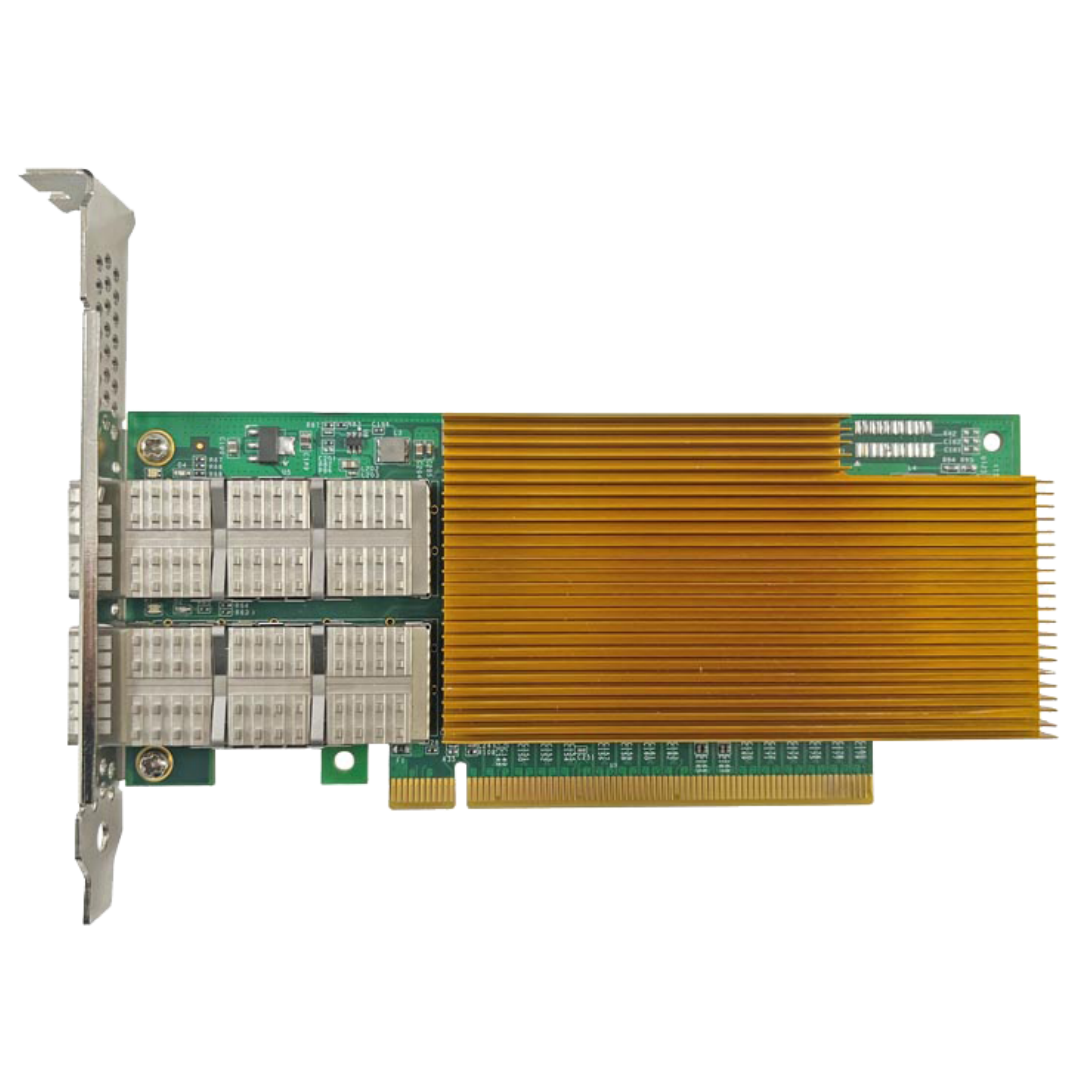
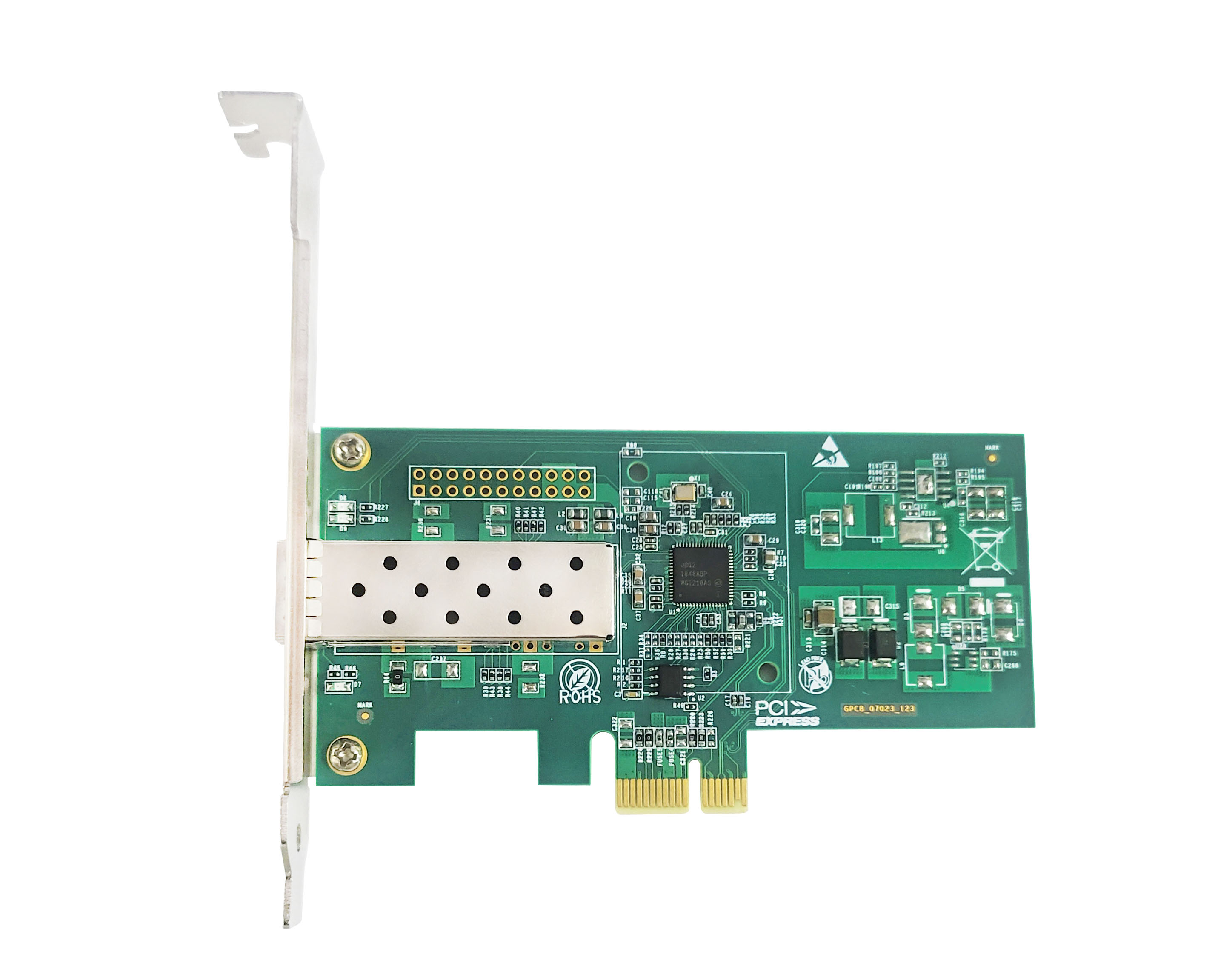
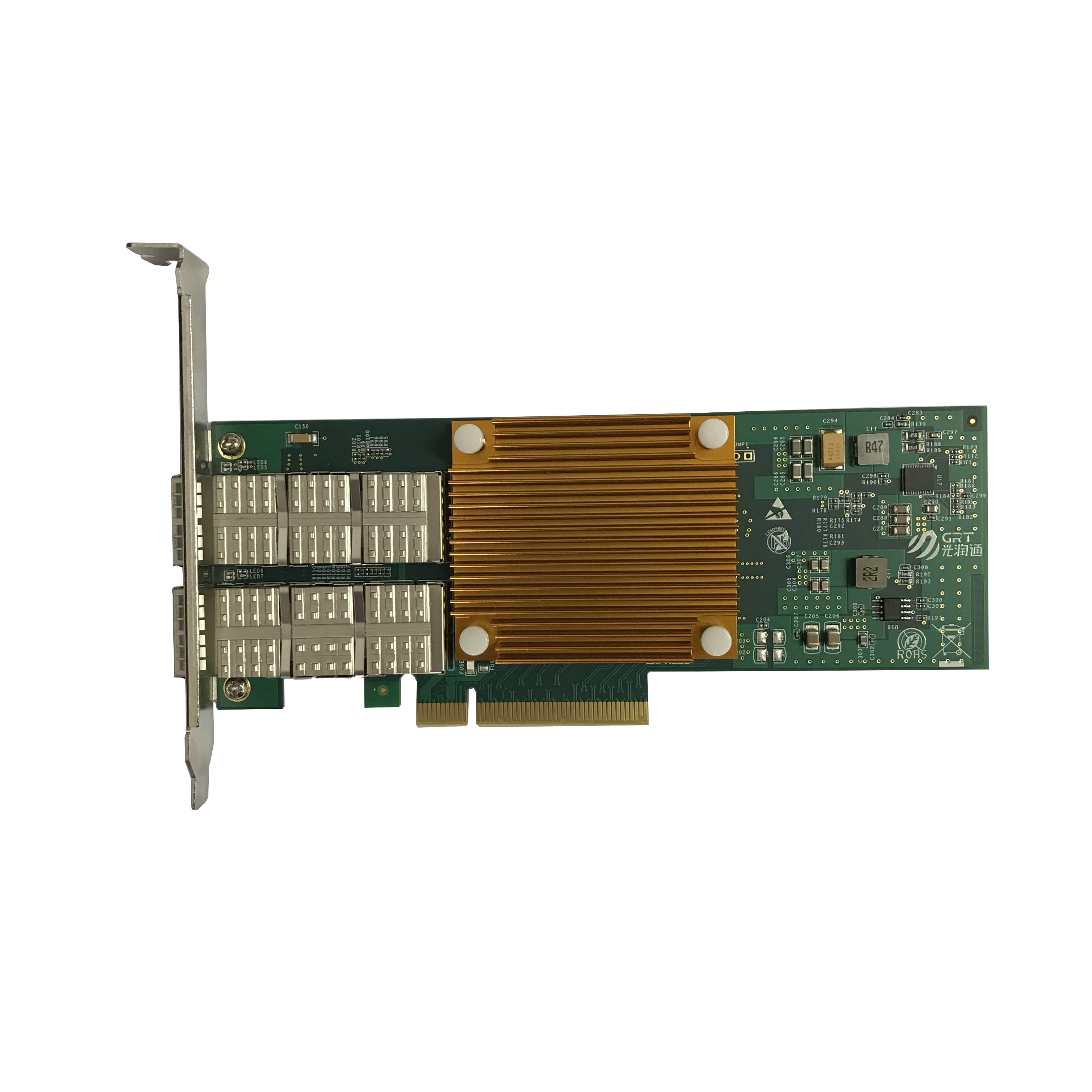
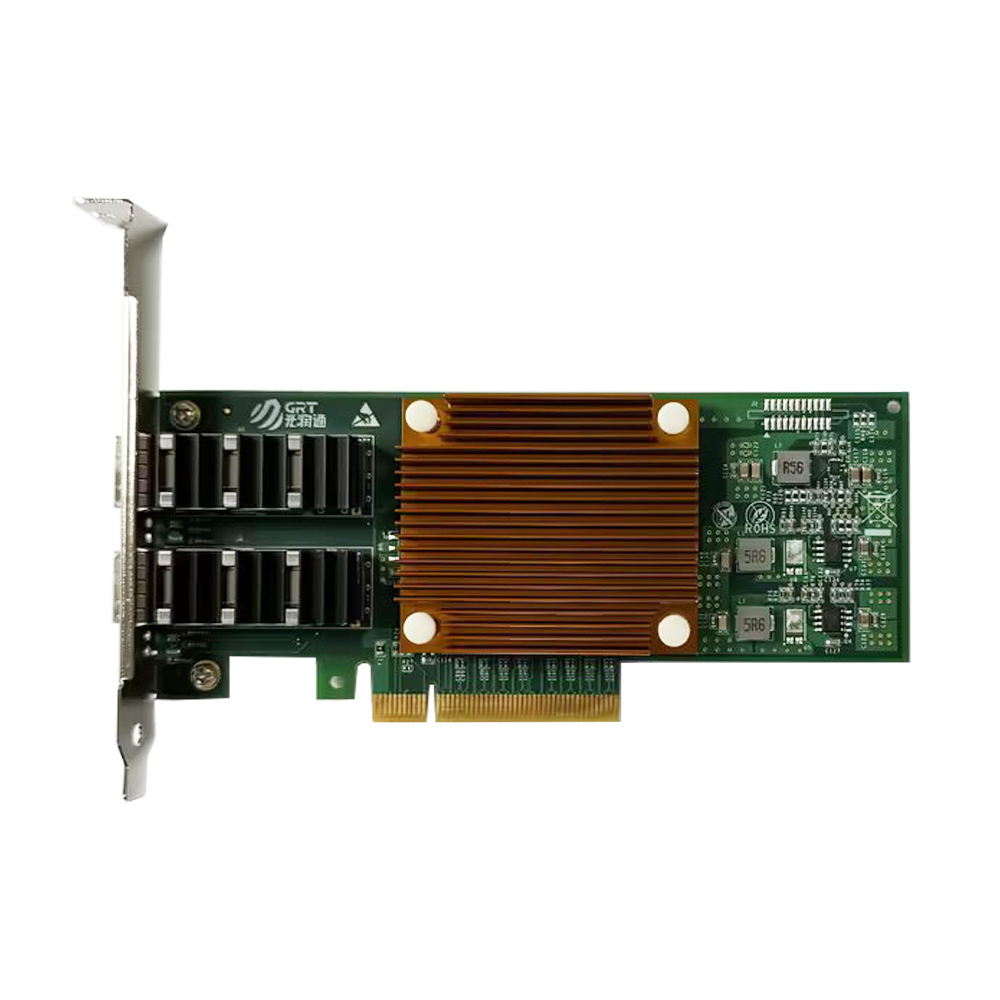
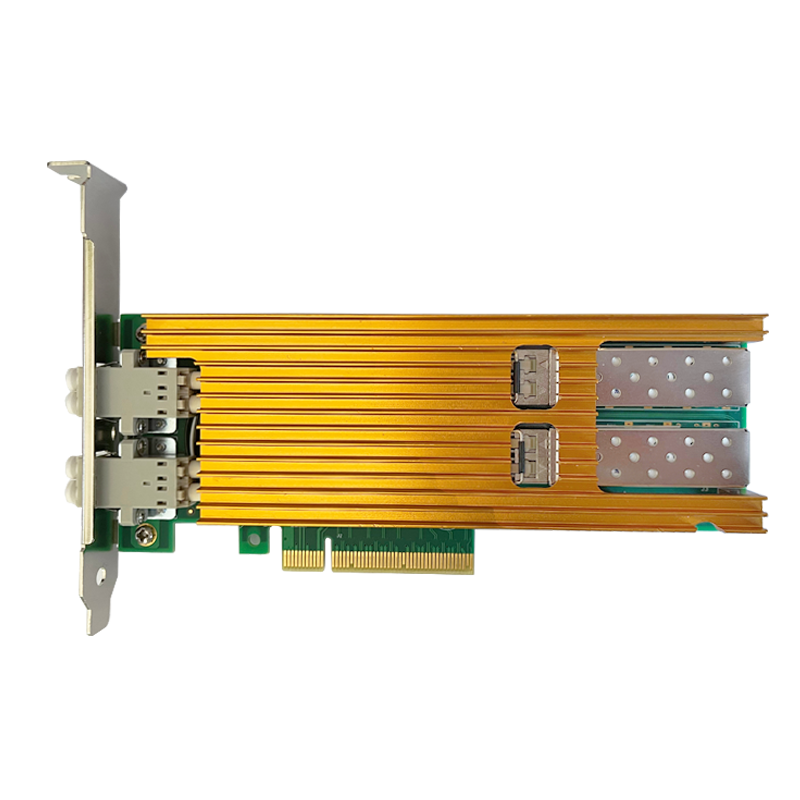
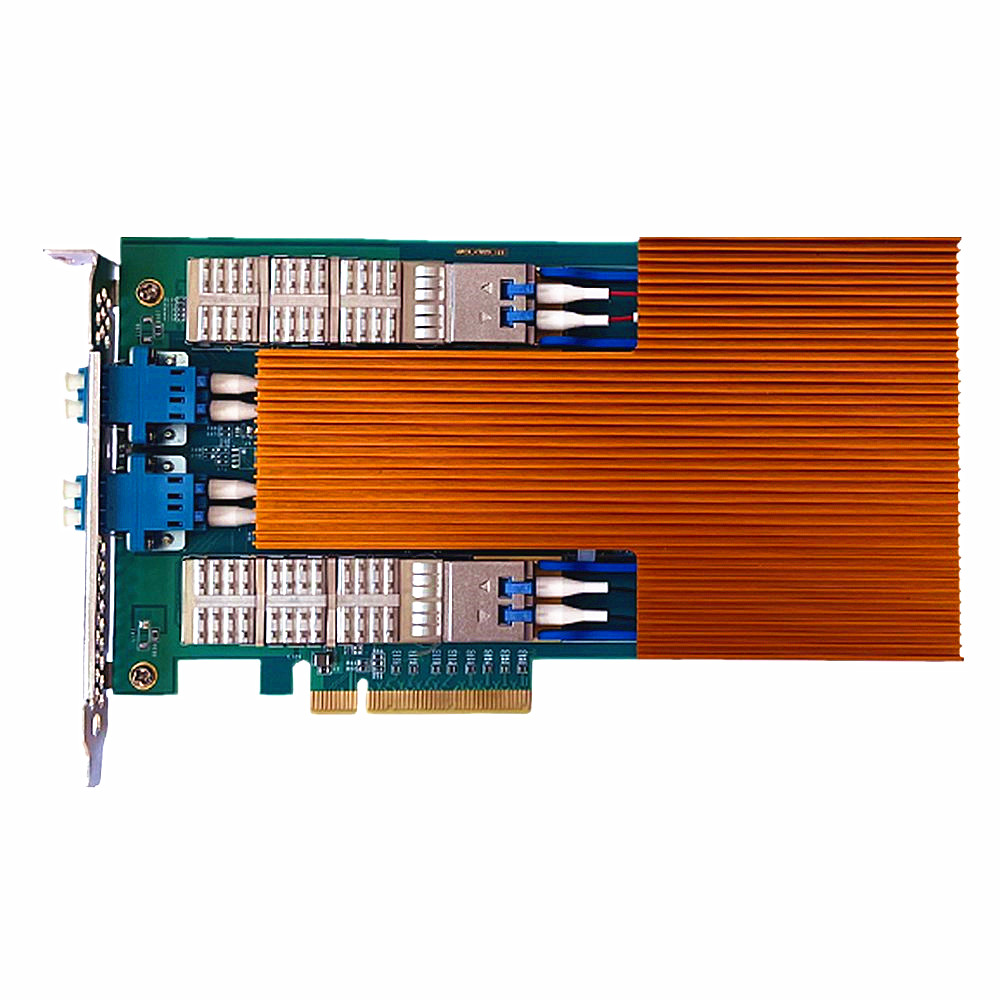
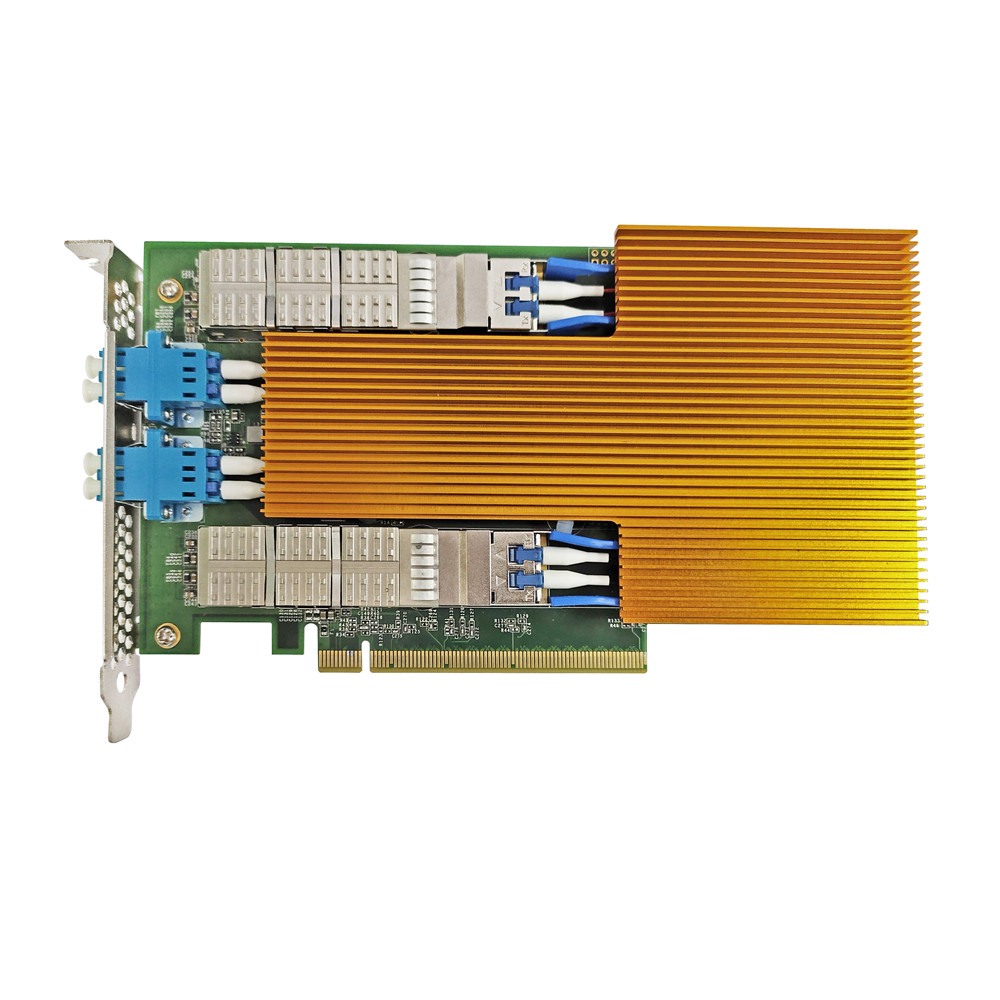
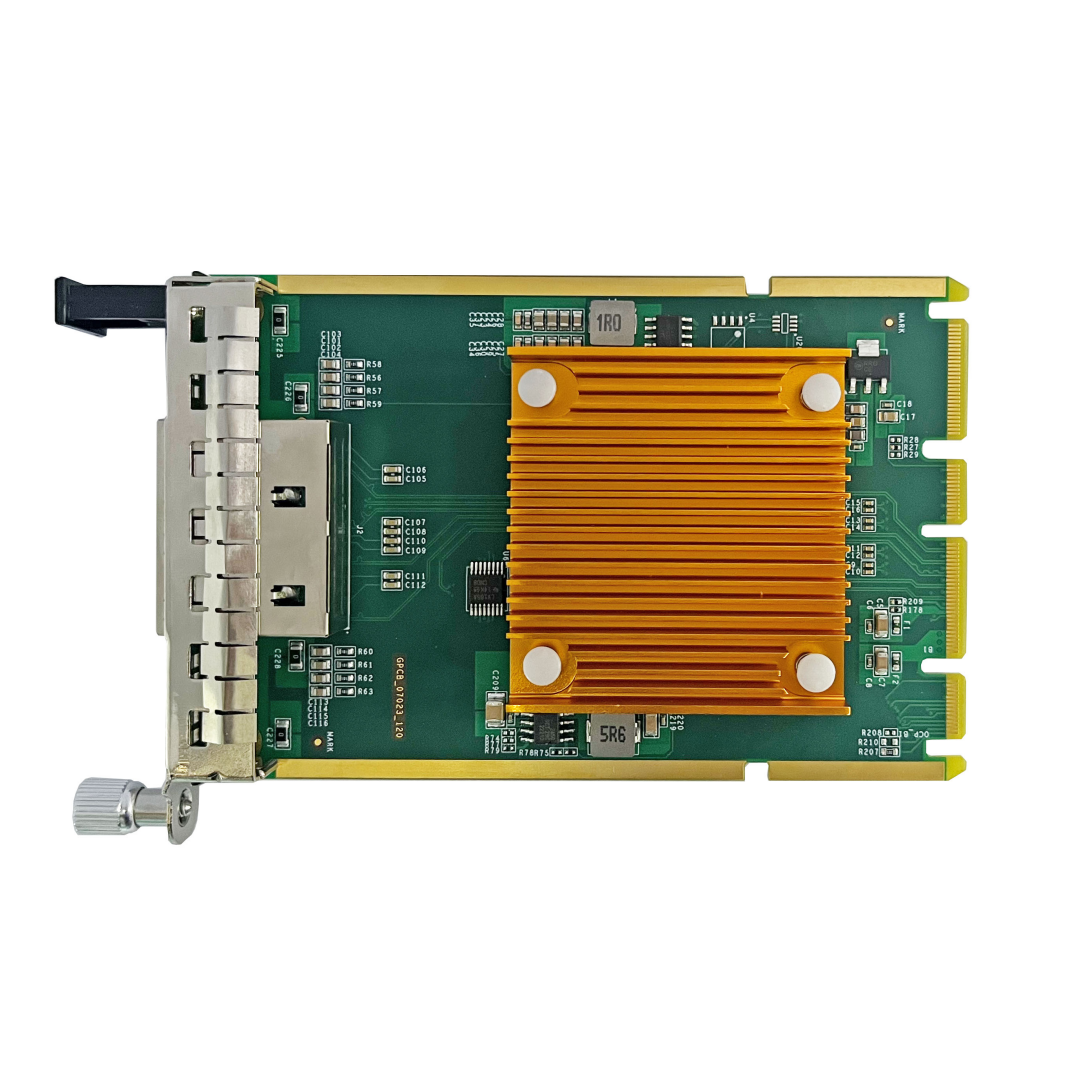
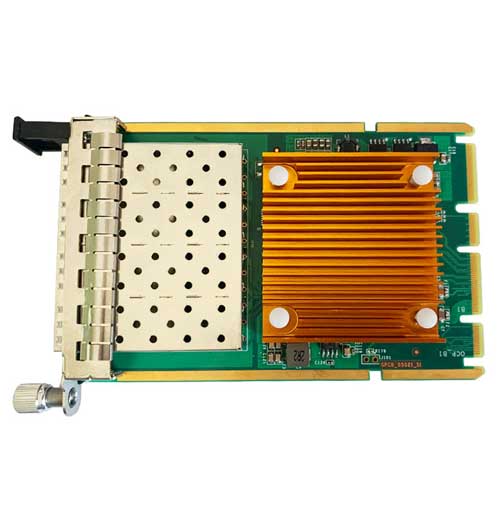
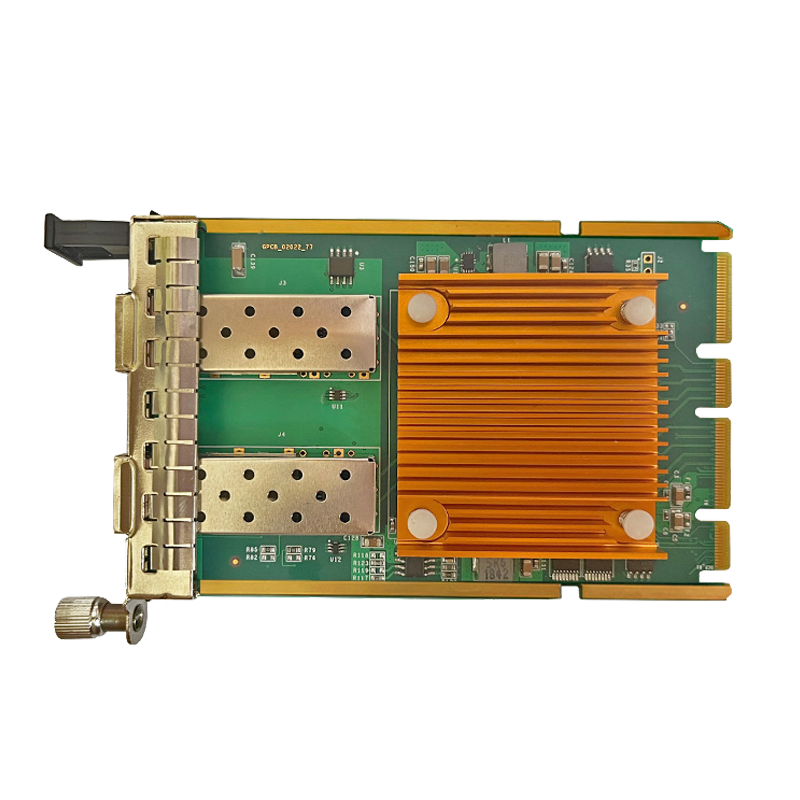
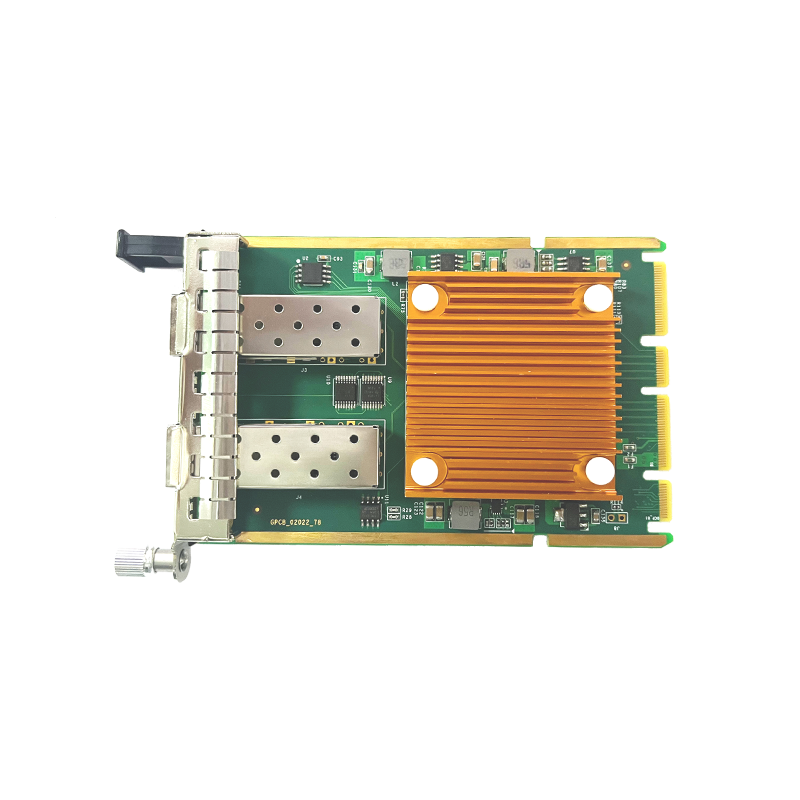
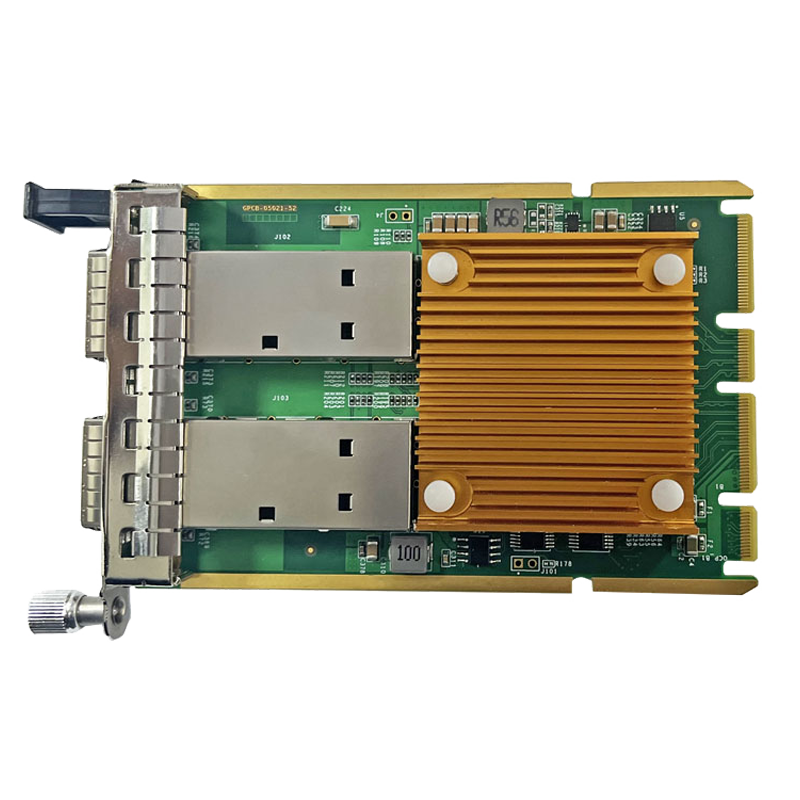
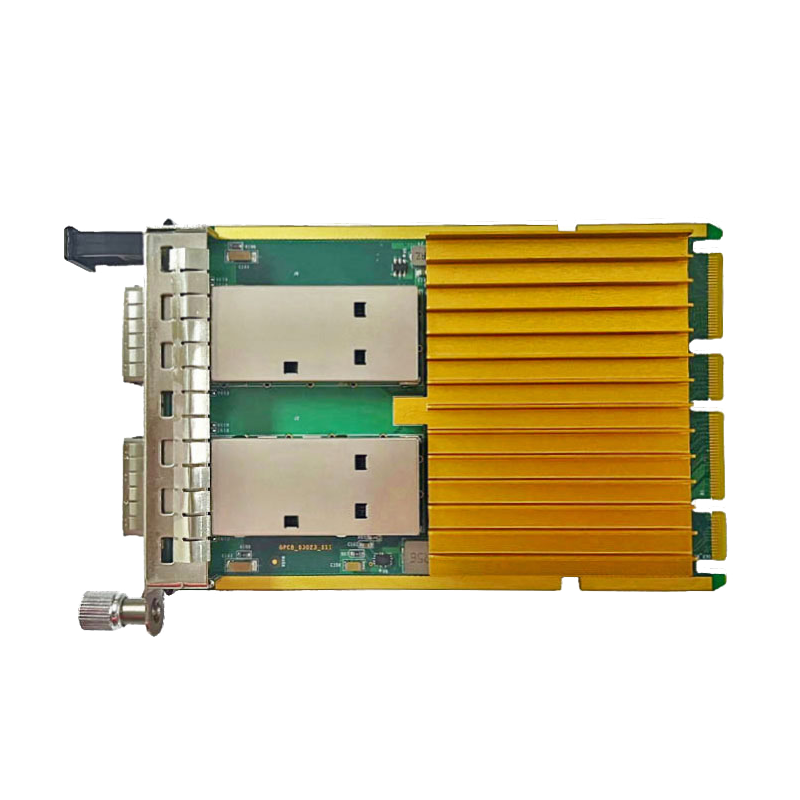
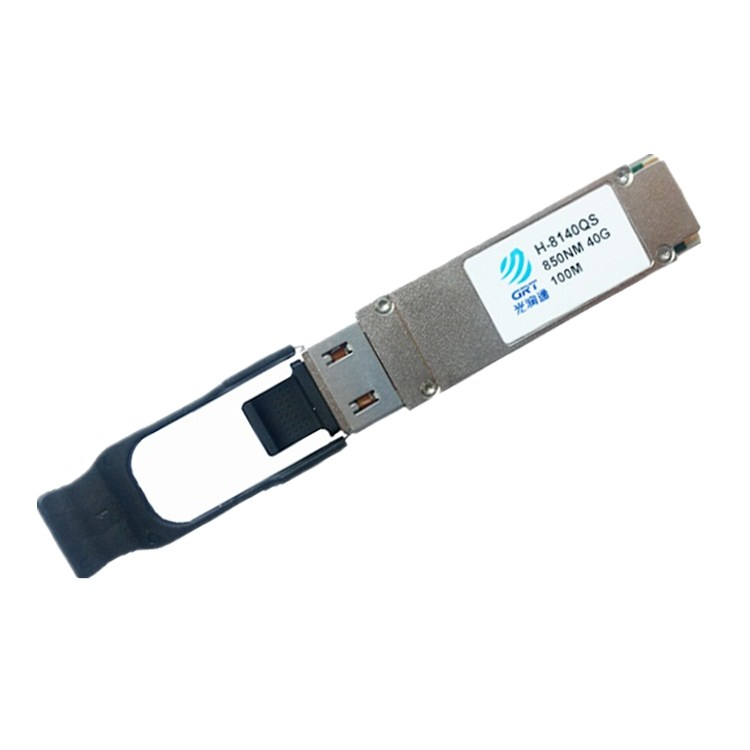
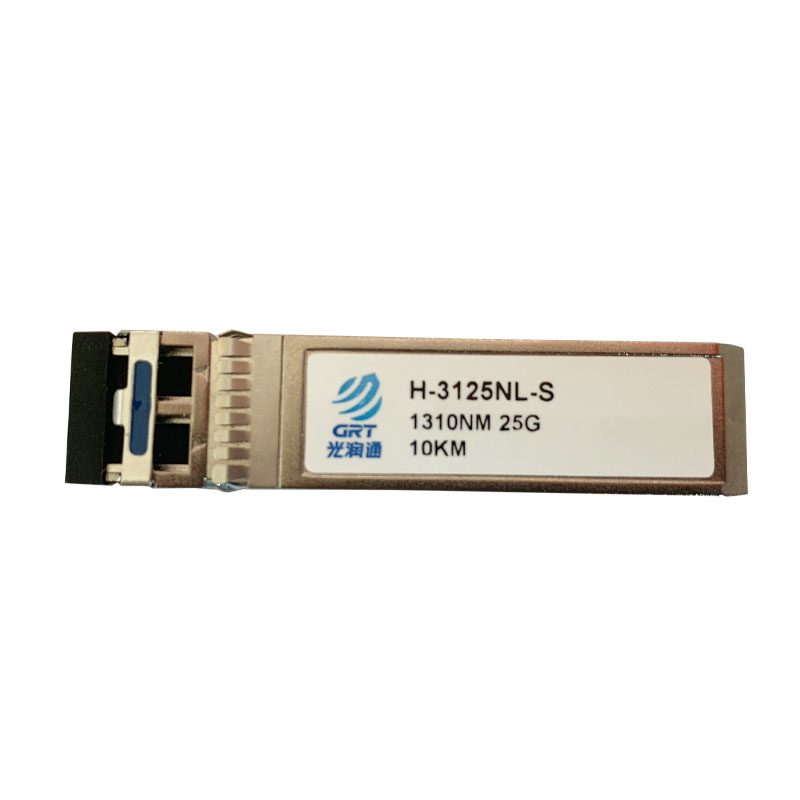
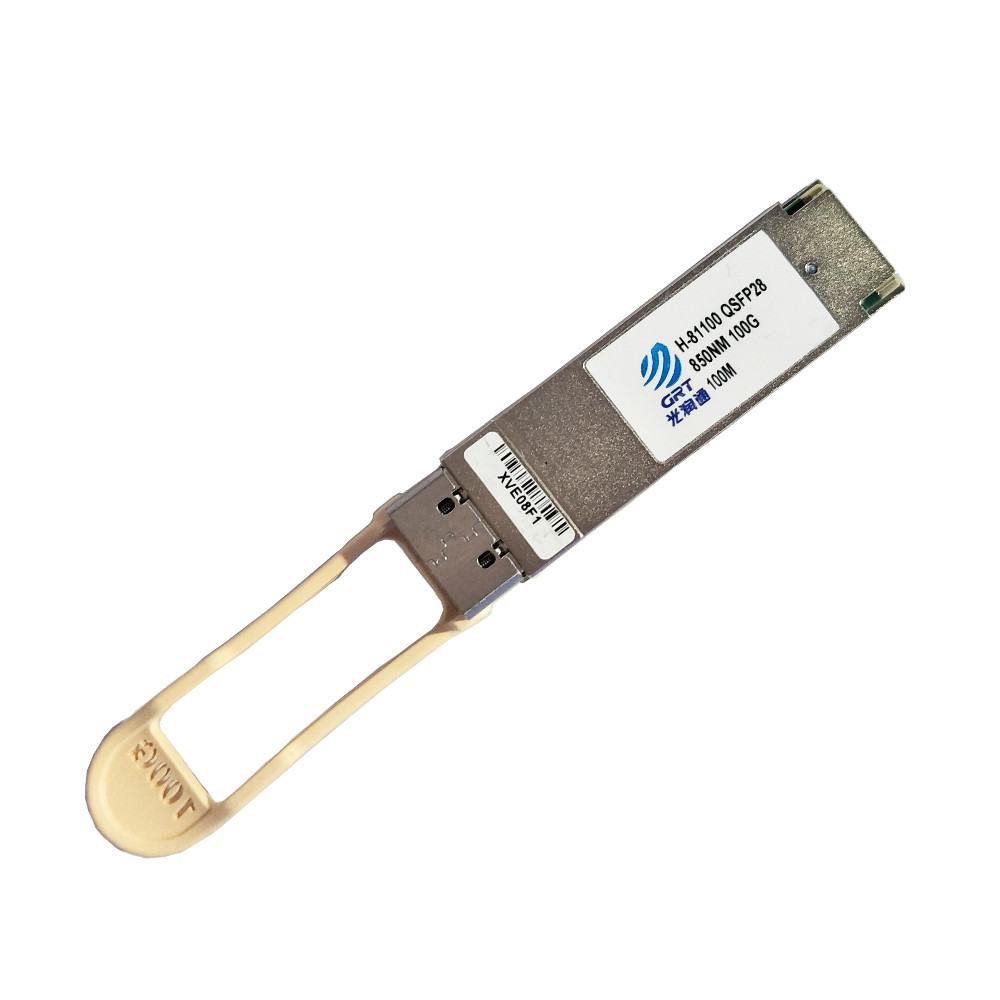
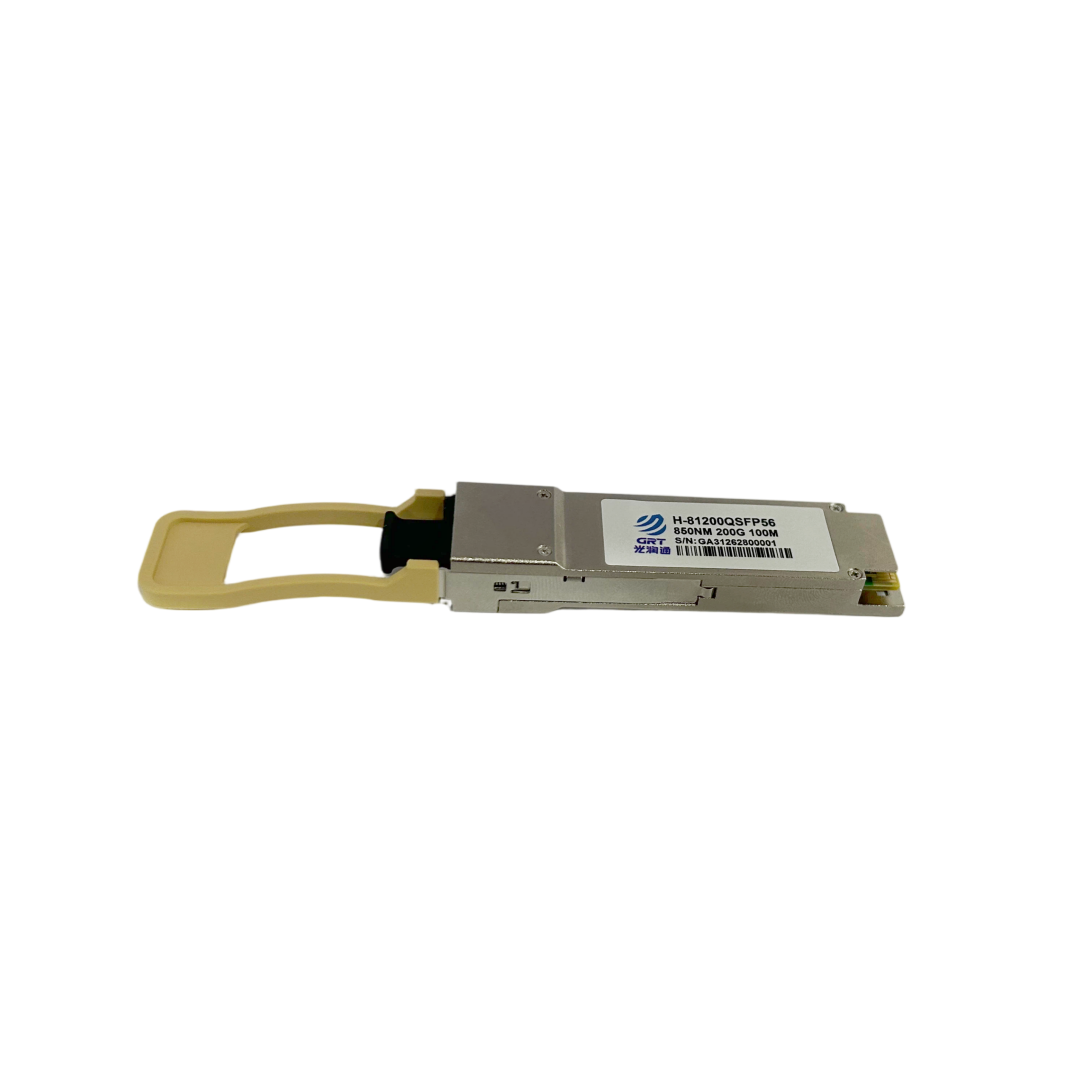
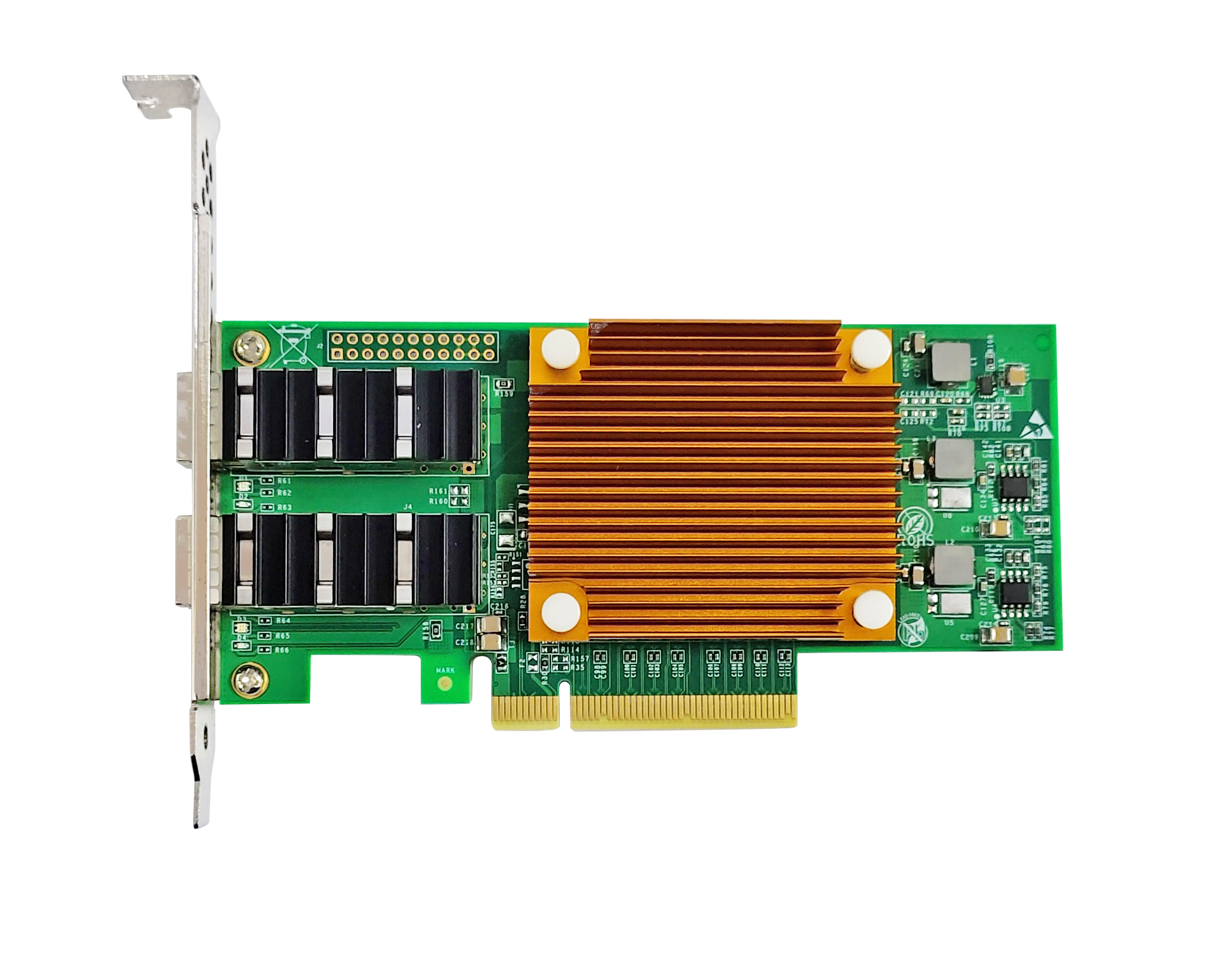
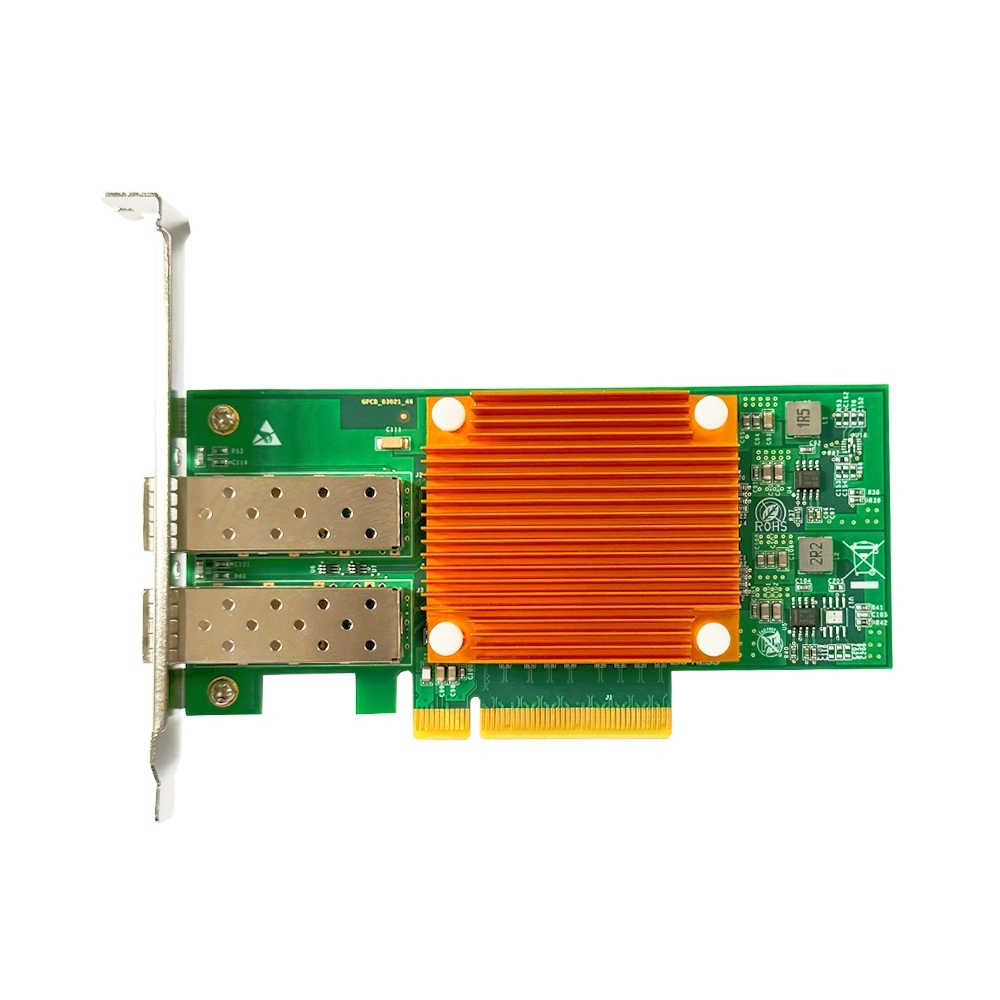
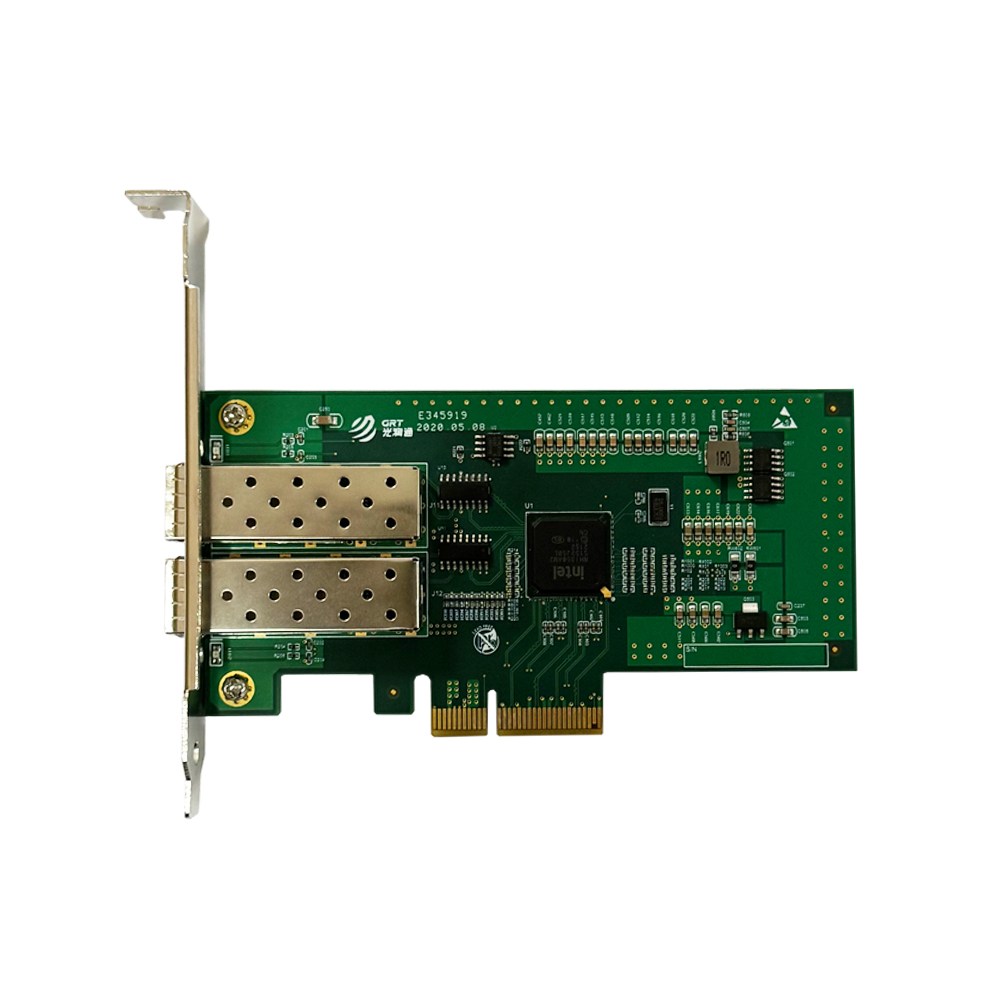
It is worth noting that high-end optical chips remain a weak link in China’s optical communications supply chain. According to ICC data, in the field of optical communication chips for 25G and above, Chinese manufacturers account for only 7 per cent of the global market by revenue value. Faced with vast potential for domestic substitution in China, local enterprises possess natural advantages in terms of cost responsiveness, supply chain security and customer collaboration. Beijing Guangruntong Technology Development Co., Ltd. (GRT) is one of the pioneers in this field. Since its establishment in 2009, the company has consistently adopted ‘independent innovation’ as its core strategy. Leveraging its R&D capabilities in domestically produced chips, it has successfully developed chips with fully independent intellectual property rights, thereby completely breaking the long-standing monopoly held by foreign manufacturers in the high-end network card chip sector. Its independently developed G350AM2 chip achieves 100 per cent independent control over server network cards, with the product maintaining stable operation even in extreme environments ranging from –40°C to 85°C.
As the global market share of domestic optical module manufacturers continues to rise, Chinese-made electrical chips are expected to enter an upward cycle amidst this wave of AI innovation. It is widely recognised within the industry that high-speed design capabilities and process technology expertise in electrical chips will become key barriers to the sector’s long-term development. Guangruntong (GRT)’s Chinese-made network interface card products not only maintain stable data transmission rates under high-pressure, high-load conditions but also seamlessly integrate with China’s domestic software and hardware ecosystem, including Feiteng CPUs and the Kylin operating system. Having passed multiple high-standard security certifications, they have set a benchmark for autonomy, controllability, security and reliability. Under the ‘domestically produced chips + autonomous diagnostics’ model, Guangruntong (GRT) is contributing to the autonomy and controllability of China’s optical communications industry, and the strategic moves of relevant core enterprises warrant close attention.
Latest information
- Network Card Driver: The Invisible Bridge Between Hardware and Operating System
- Understanding the Partners in Fiber Links: Optical Modules and Optical Fibers
- How to Select NICs for Virtualization Environments to Achieve Performance Isolation and Resource Allocation
- What are FCC, CE and RoHS on Network Cards
- How Bypass NIC Ensures Uninterrupted Network When Server Power Fails
- The Key Role of Bypass Network Cards in Firewalls
- Choosing Between Fiber NIC and Copper NIC: Application Scenarios Determine Interfaces
- Ambassador Chang Hua of the People’s Republic of China to Saudi Arabia Visits GRT Booth at LEAP 2026